

COUNTRY/PROBLEM
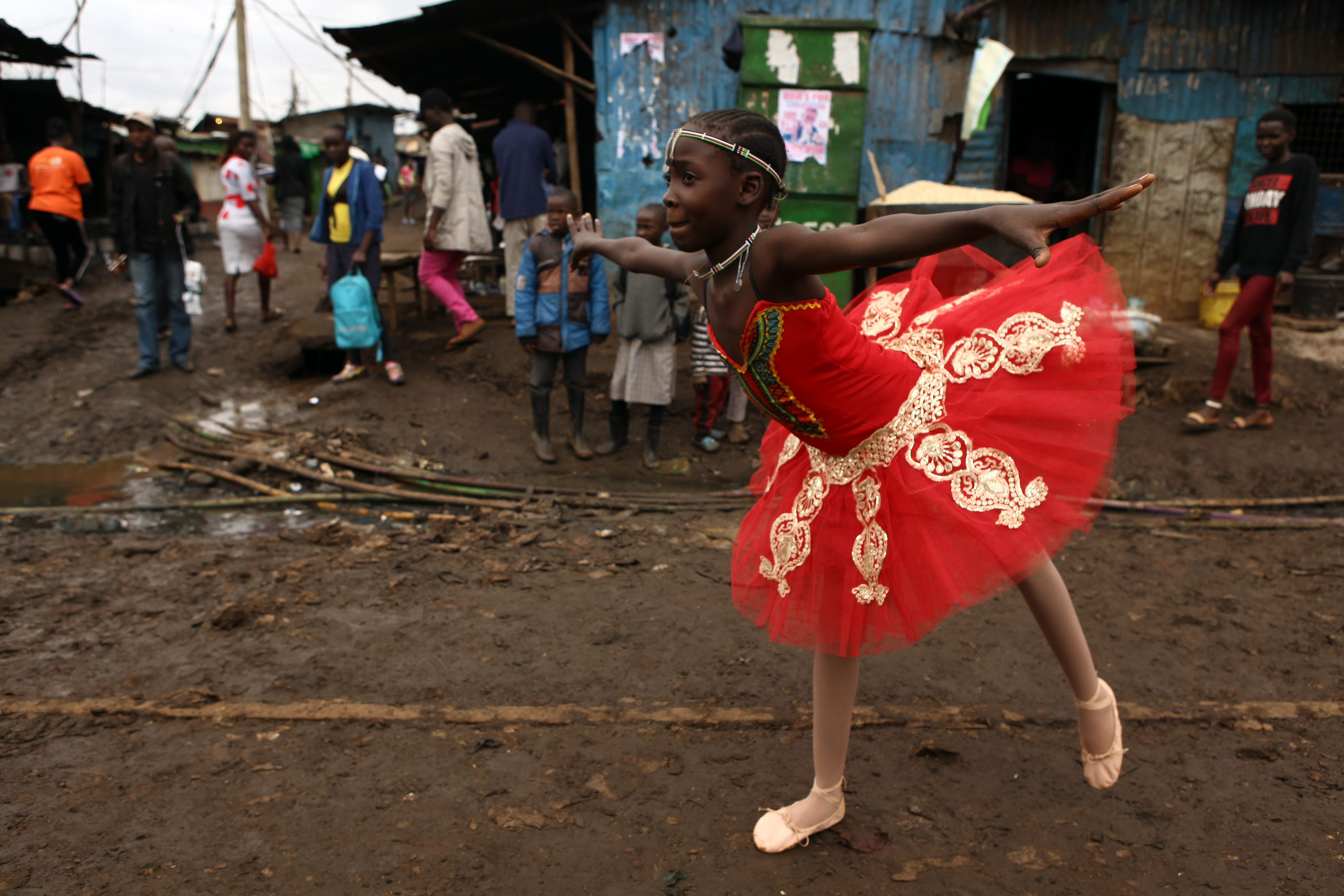
Kenya, a country located in East Africa on the Indian Ocean, has experienced economic growth over the past decade. Despite this, the country continues to struggle with social inequality. Its capital and largest city is Nairobi, with a population of over four million. There are significant economic disparities among the people living in Nairobi, and Kibera, located there, is one of the largest urban slums in Africa.
Living conditions in Kibera are extremely difficult. Most families live in homes without access to running water or sanitation. Access to electricity is a common problem. Kibera becomes dangerous in the evenings, especially for women and girls.
Moreover, many women and girls living in Kibera cannot afford the necessary sanitary products for their periods. This problem particularly affects female students, who often have to miss their classes due to lack of sanitary pads and other sanitary products. Furthermore, the lack of reproductive health education puts them at risk of HIV infection or early pregnancy. Some girls also choose to engage in sex work to earn money to buy essential sanitary products.
ORGANIZATION
Project Elimu is a local Kenyan organization that helps children and youth in Kibera . It has a particular focus on educational outreach (the term " elimu " means "education" in Swahili).
Project Elimu supports the development of its students' artistic skills, through ballet lessons among others, and helps them acquire academic knowledge. It emphasizes the development of children's personalities and creativity, and by providing them with contact with art, it motivates them to pursue education, which is often their only hope of escaping the cycle of poverty.
The organization was established in 2017. Its founder and leader is Mike Wamaya , a Kenyan dancer and ballet teacher who was among 10 finalists nominated for the renowned Global Teacher Prize.
COOPERATION BETWEEN KULCZYK FOUNDATION AND PROJECT ELIMU
The Kulczyk Foundation is the first global organization to support Project Elimu. Their collaboration began in 2018, providing, among other things, educational scholarships for 120 children from Kibera. The Kulczyk Foundation also provided funds for the development of Project Elimu's arts program and infrastructure . The organization's beneficiaries were also featured in an episode of the sixth season of the documentary series "The Domino Effect." Link to the project.
In 2019, the Kulczyk Foundation and Project Elimu launched their Smile Bank Project, which aims to combat period poverty and address the lack of reproductive health awareness among girls living in Nairobi's slums. As part of the collaboration:
- over a thousand girls aged 11-18 were provided with access to menstrual products (including pads, bags for used materials, sanitary containers);
- Reproductive health classes were conducted in 13 schools in the slums of Nairobi.
In return for the assistance they received, the girls who benefited from the project engaged in social activities at their schools or in local communities, spending three hours per week. Their parents, teachers, and local leaders were involved in the project. As a result, the girls learned about social inclusion by following the example of their immediate surroundings.
The Smile Bank Project aims to improve school attendance and increase self-esteem and social responsibility among young Kenyan women. The project has made a real difference in the lives of teenage girls and has had a positive impact on their health , sense of security, and mental well-being. Thanks to the support they receive, they have had the opportunity to develop their creativity and problem-solving skills.
Kulczyk Foundation has been continuing to support Project Elimu in developing activities for the local community in Kibera since 2018.
