
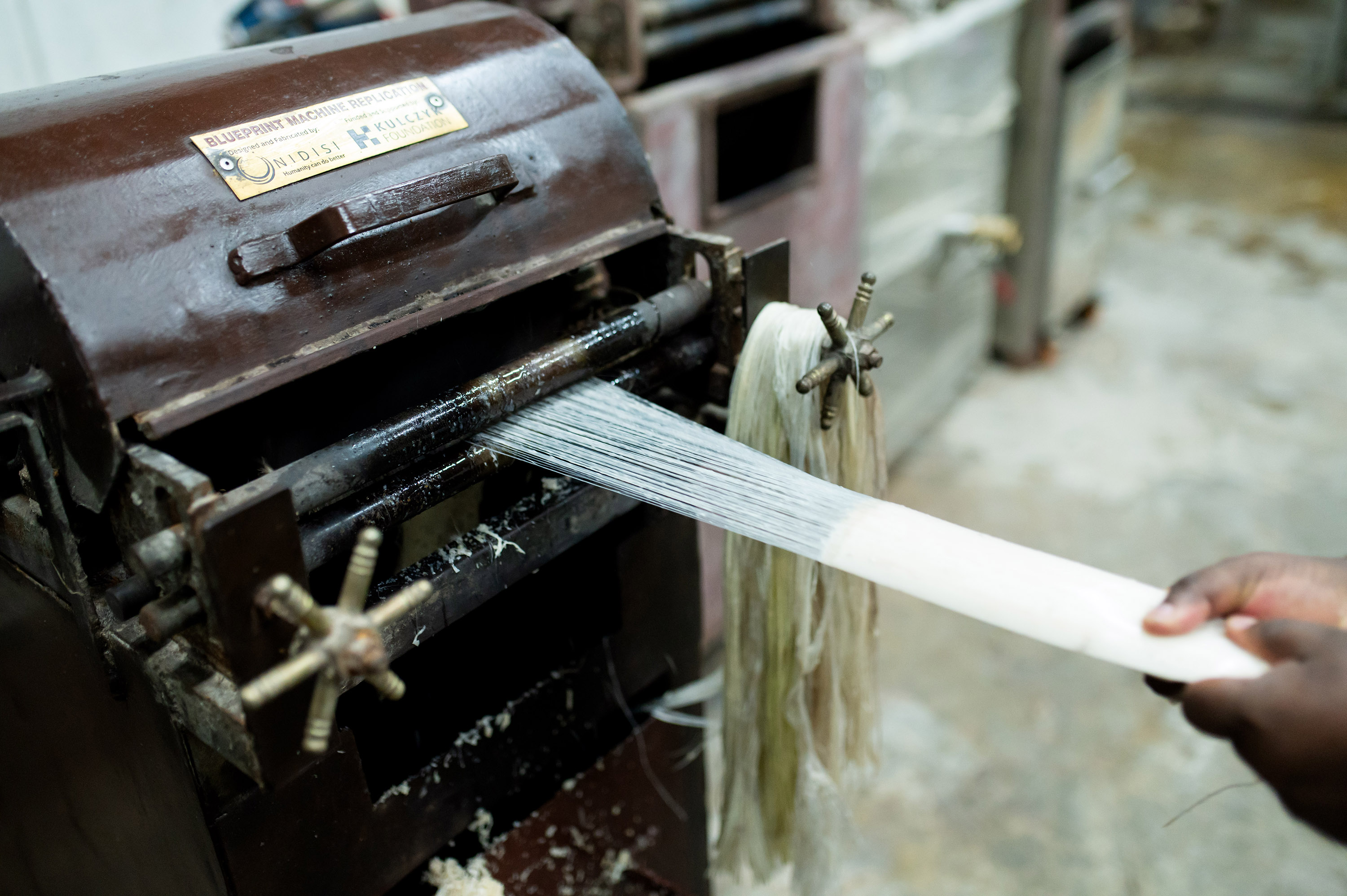
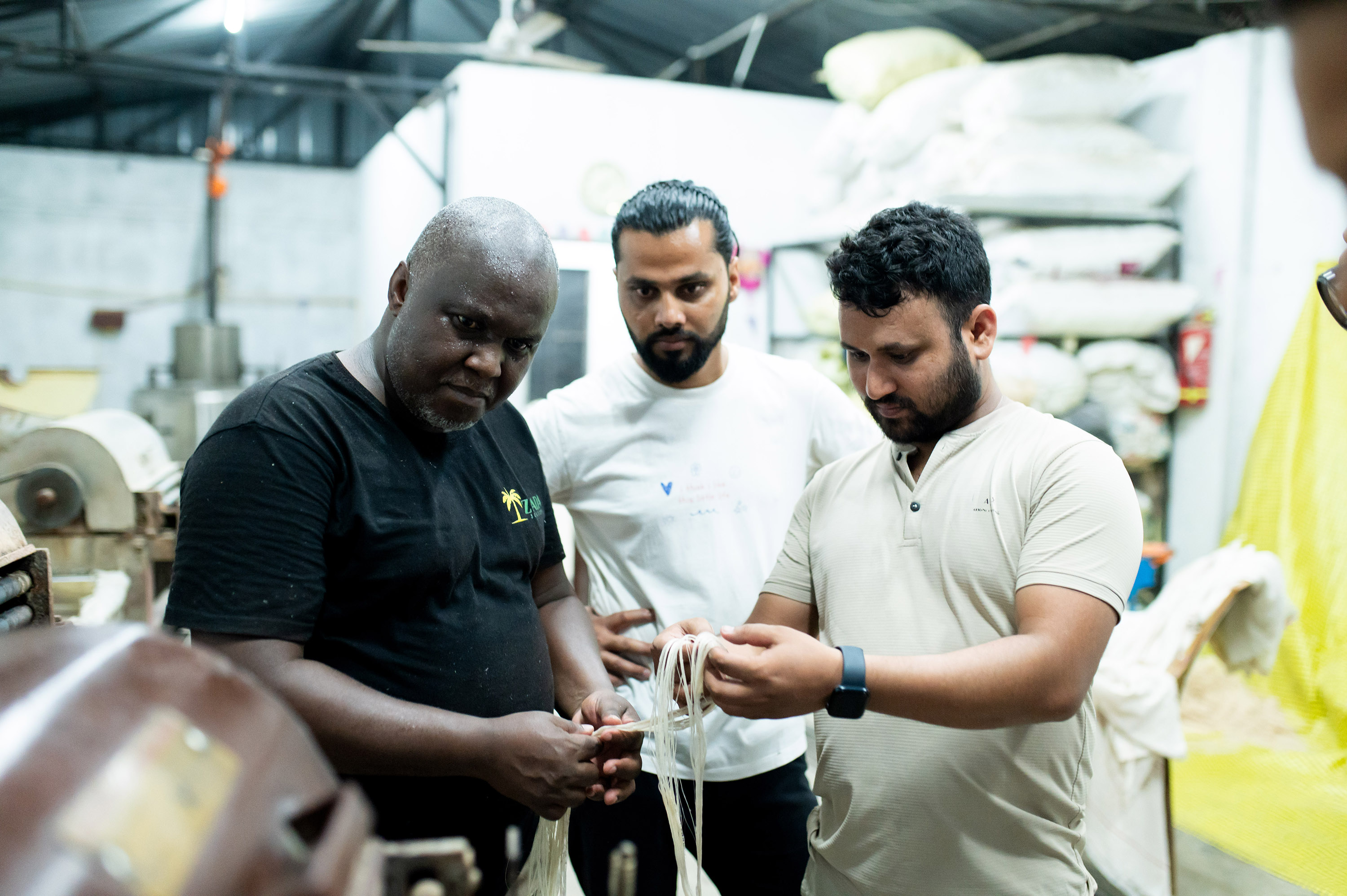
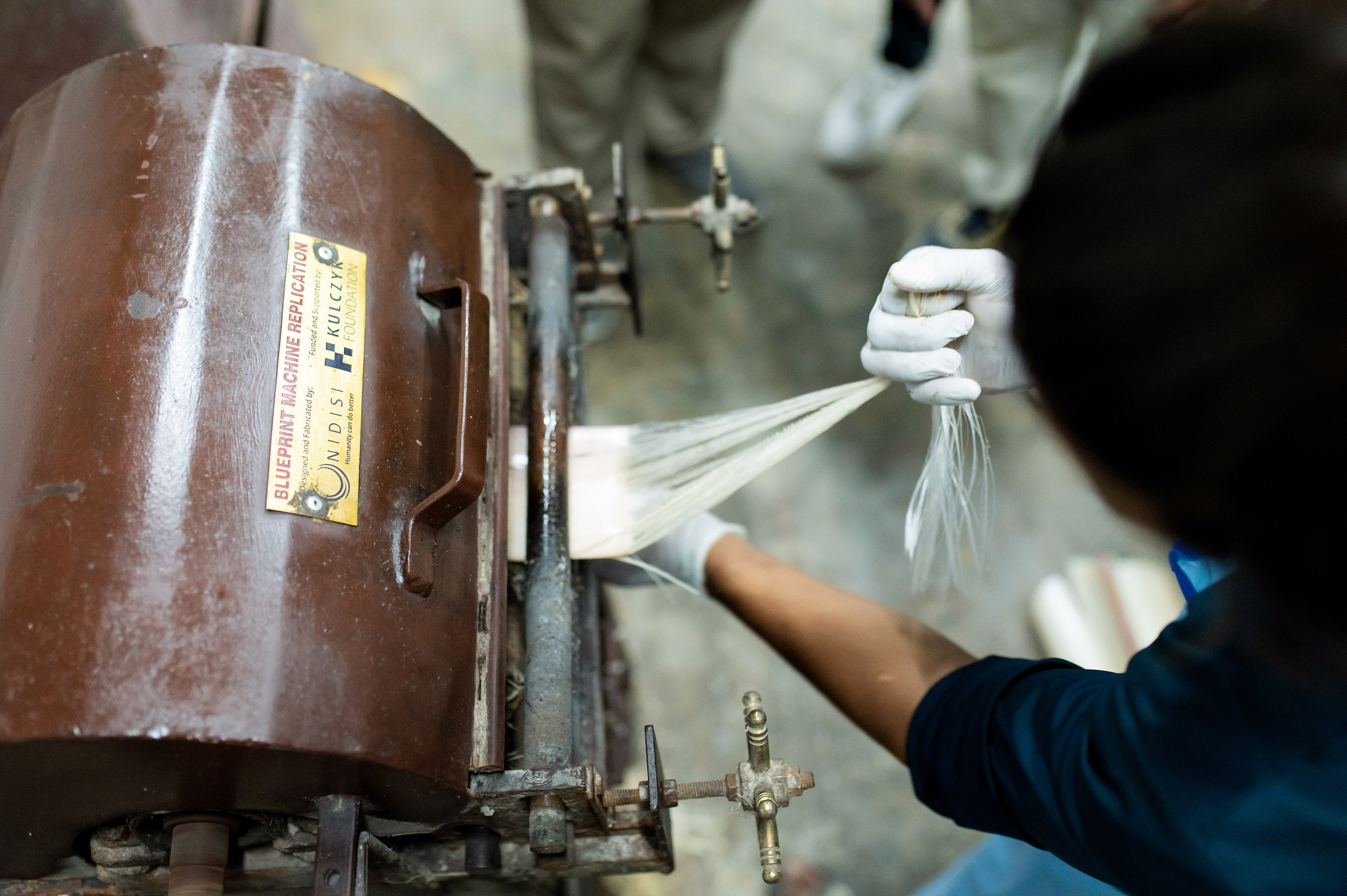
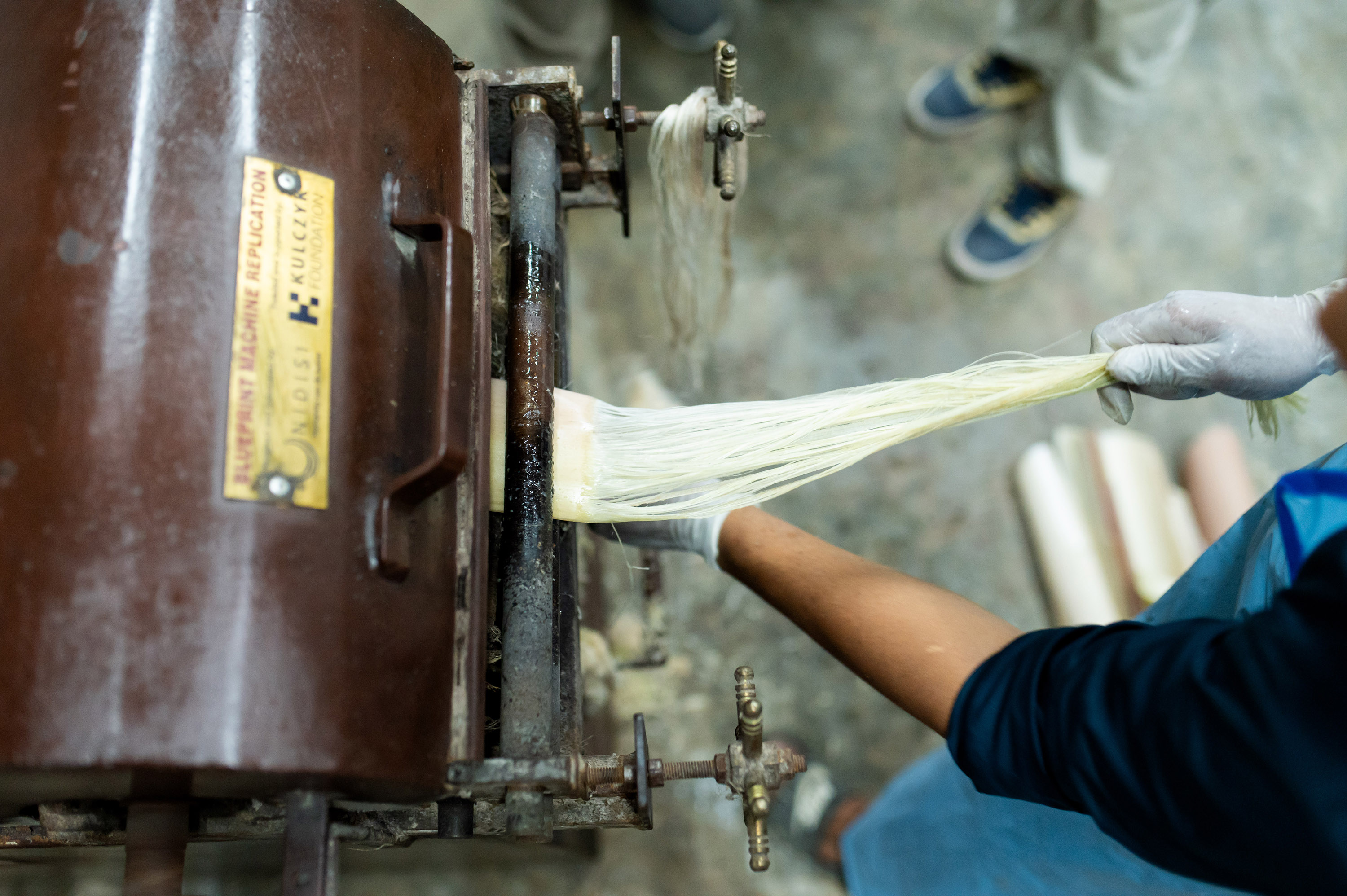
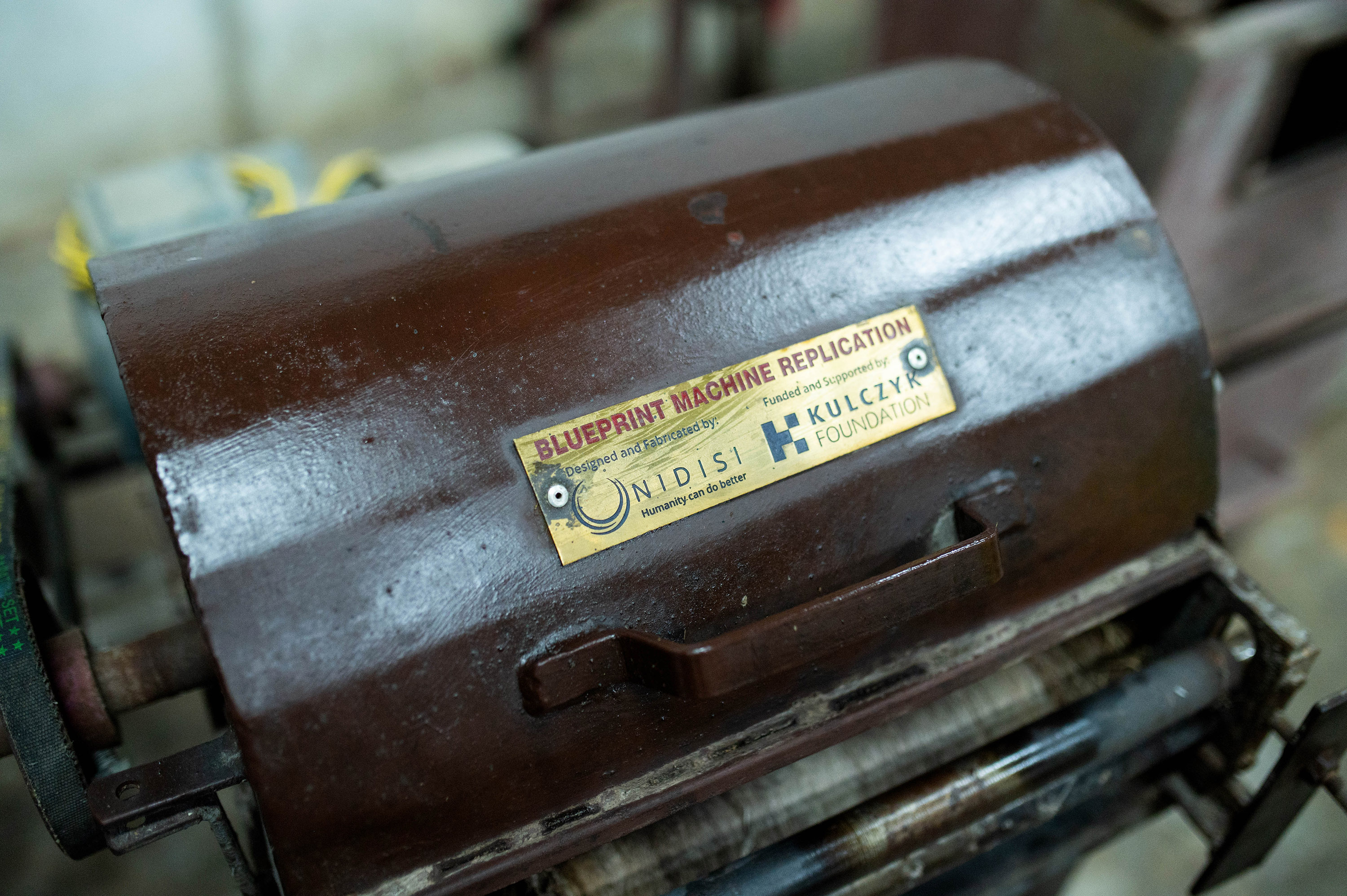
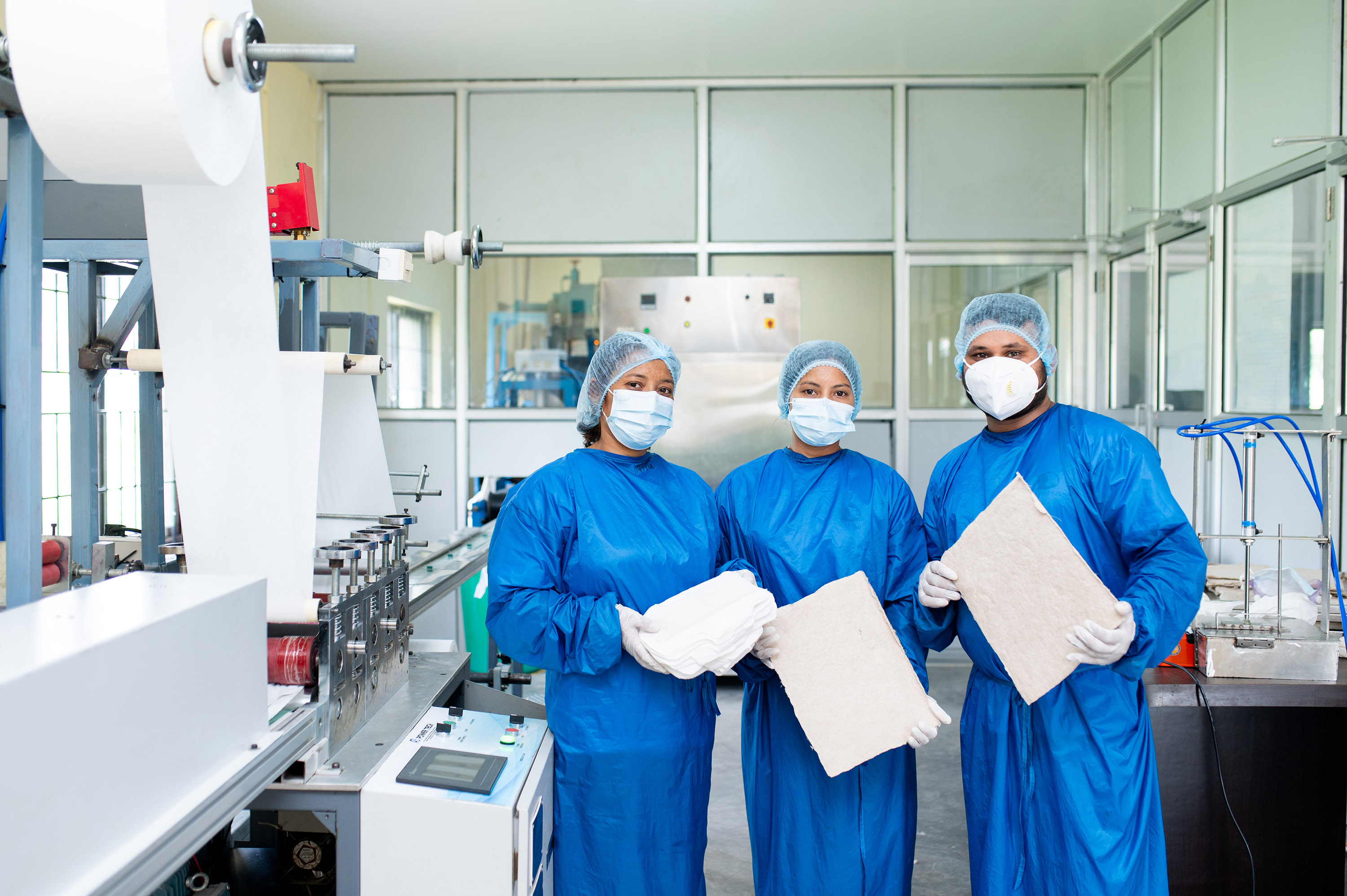
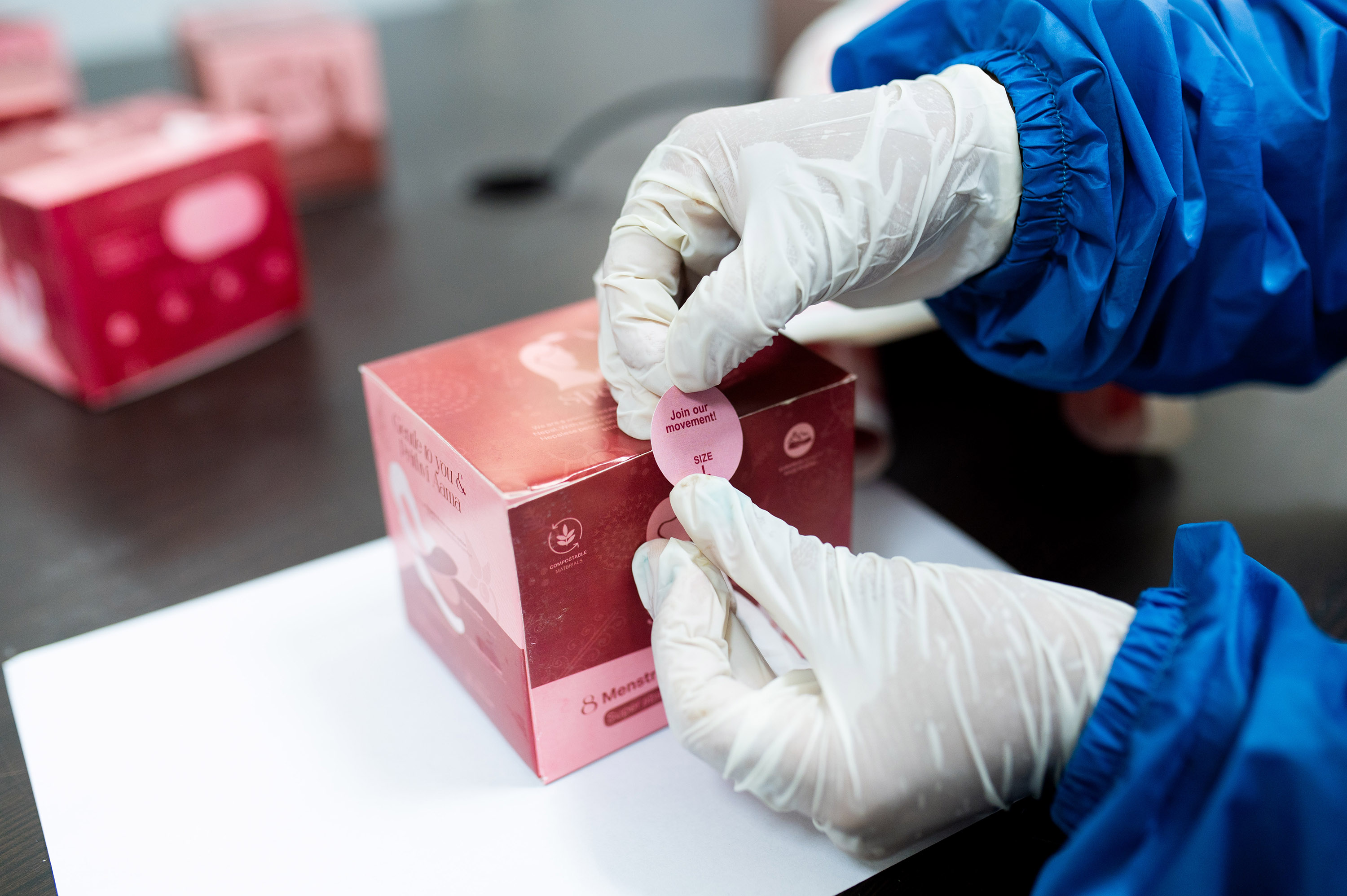
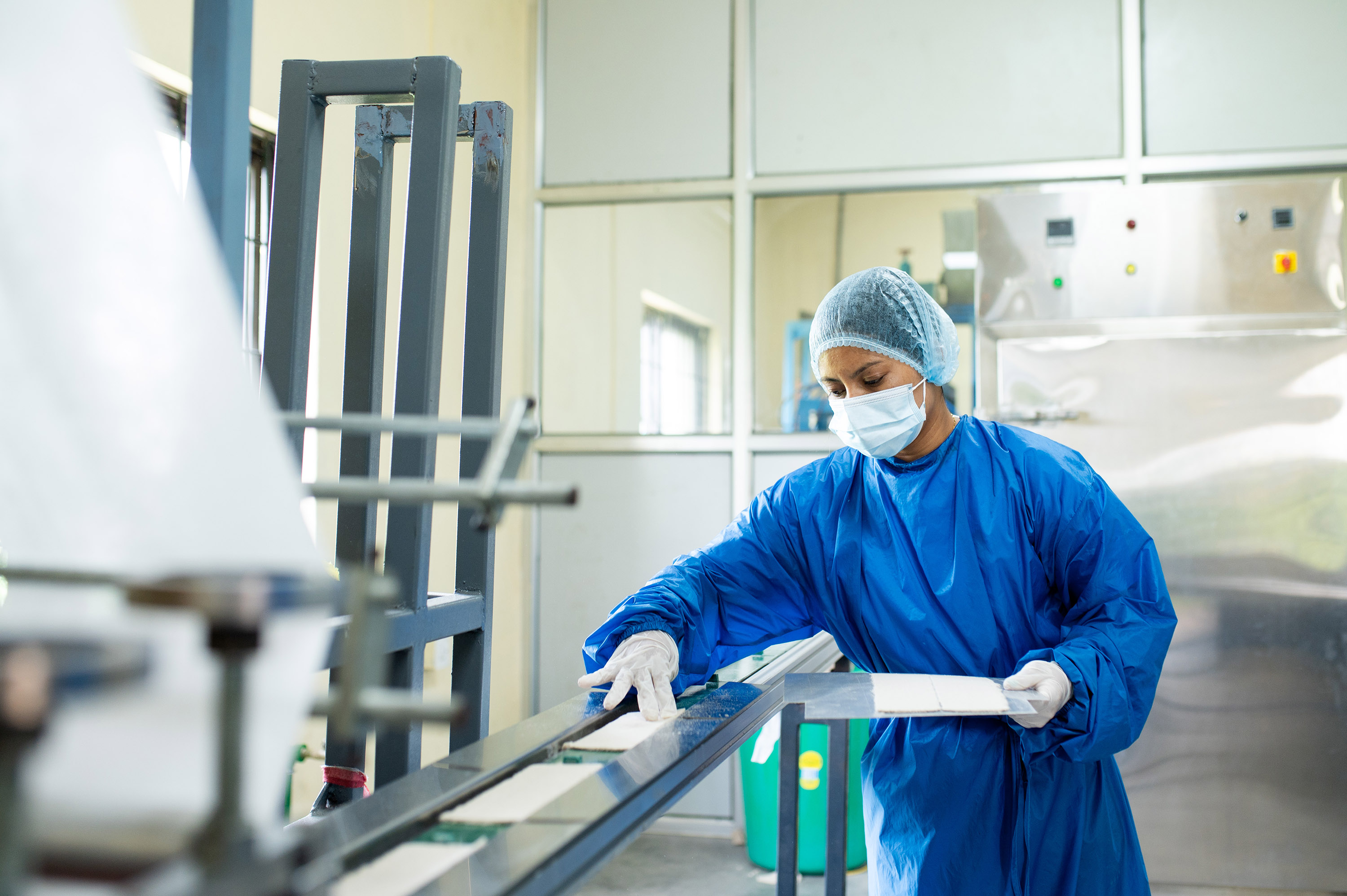
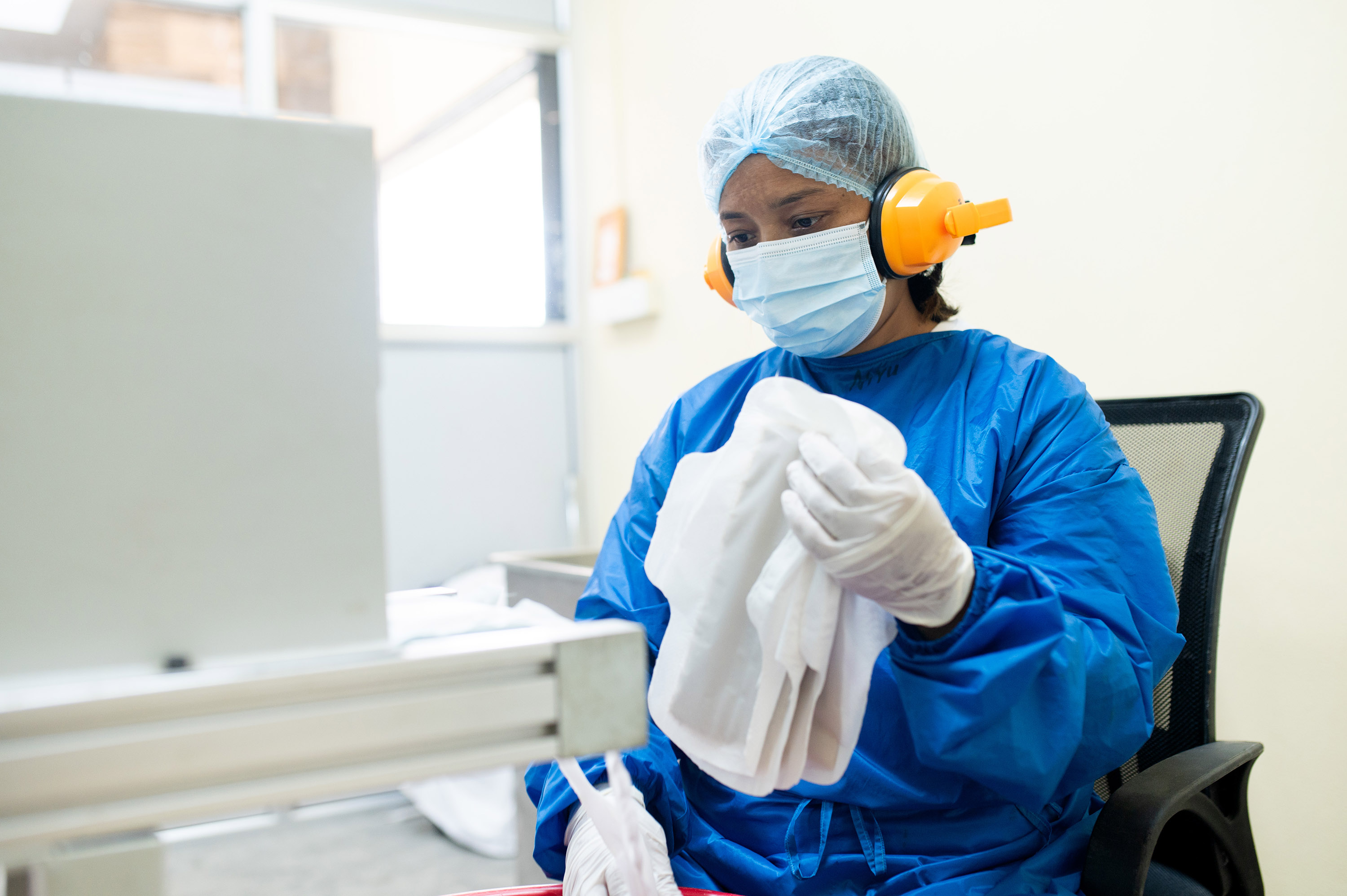
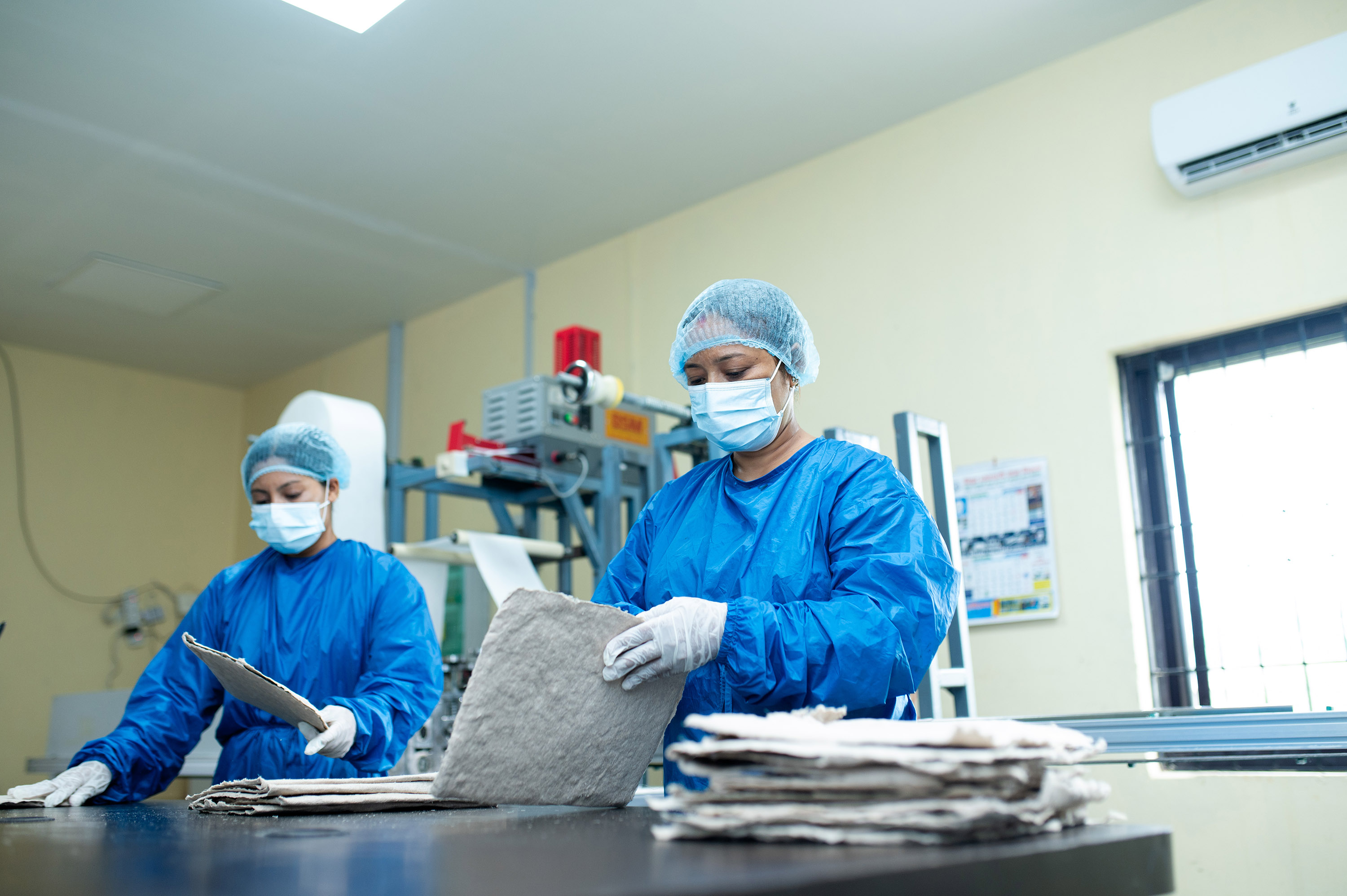
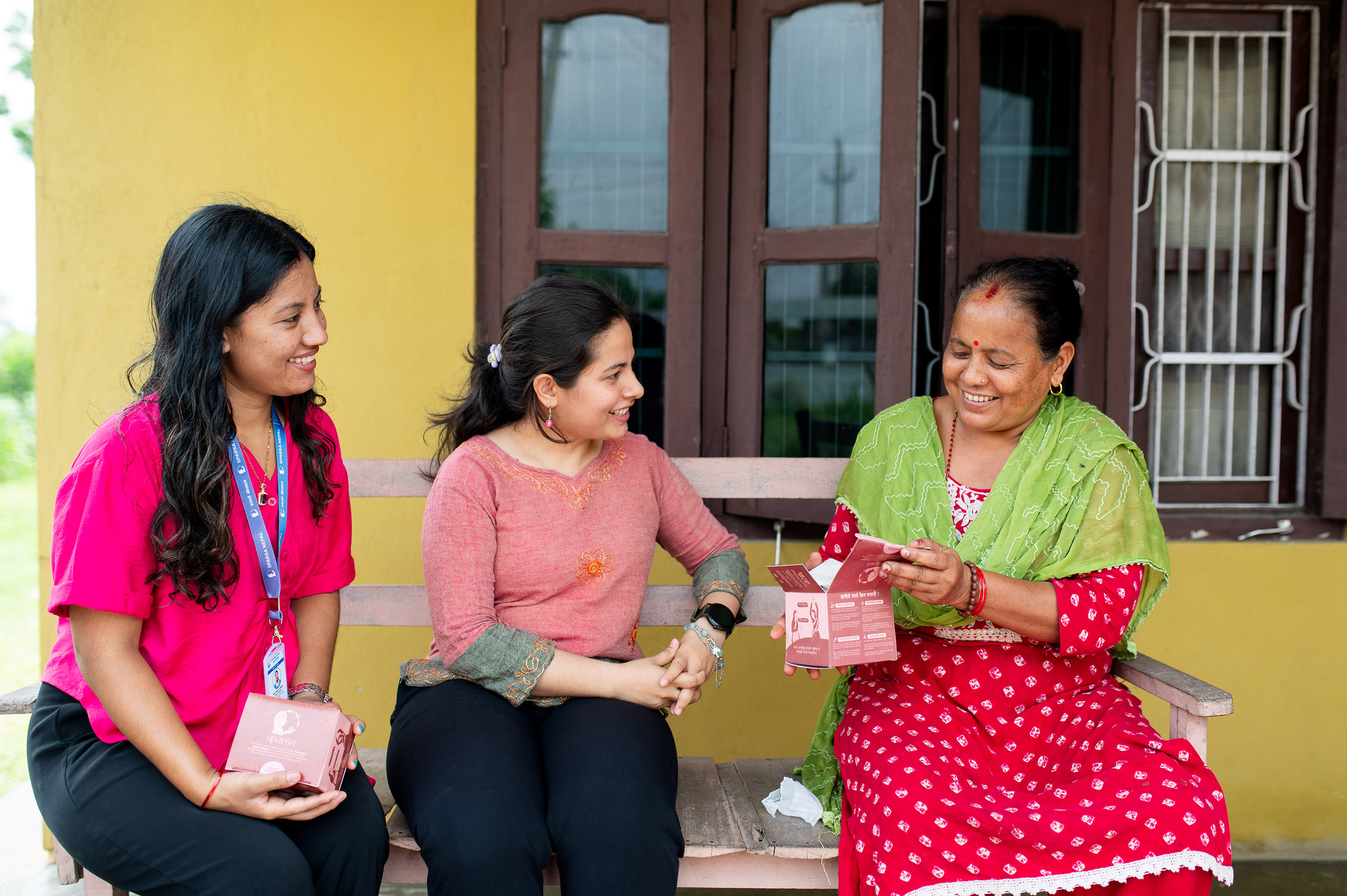
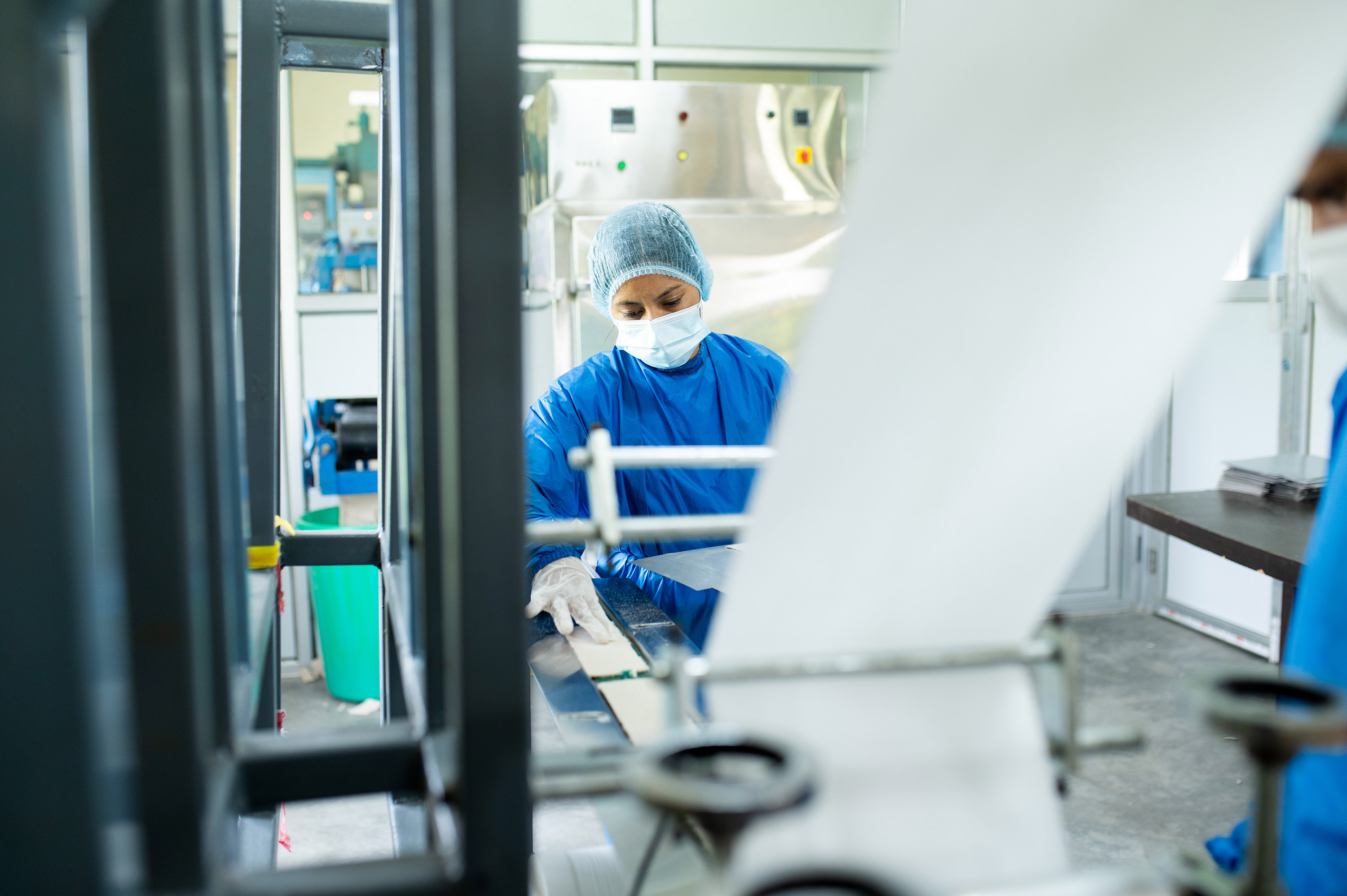
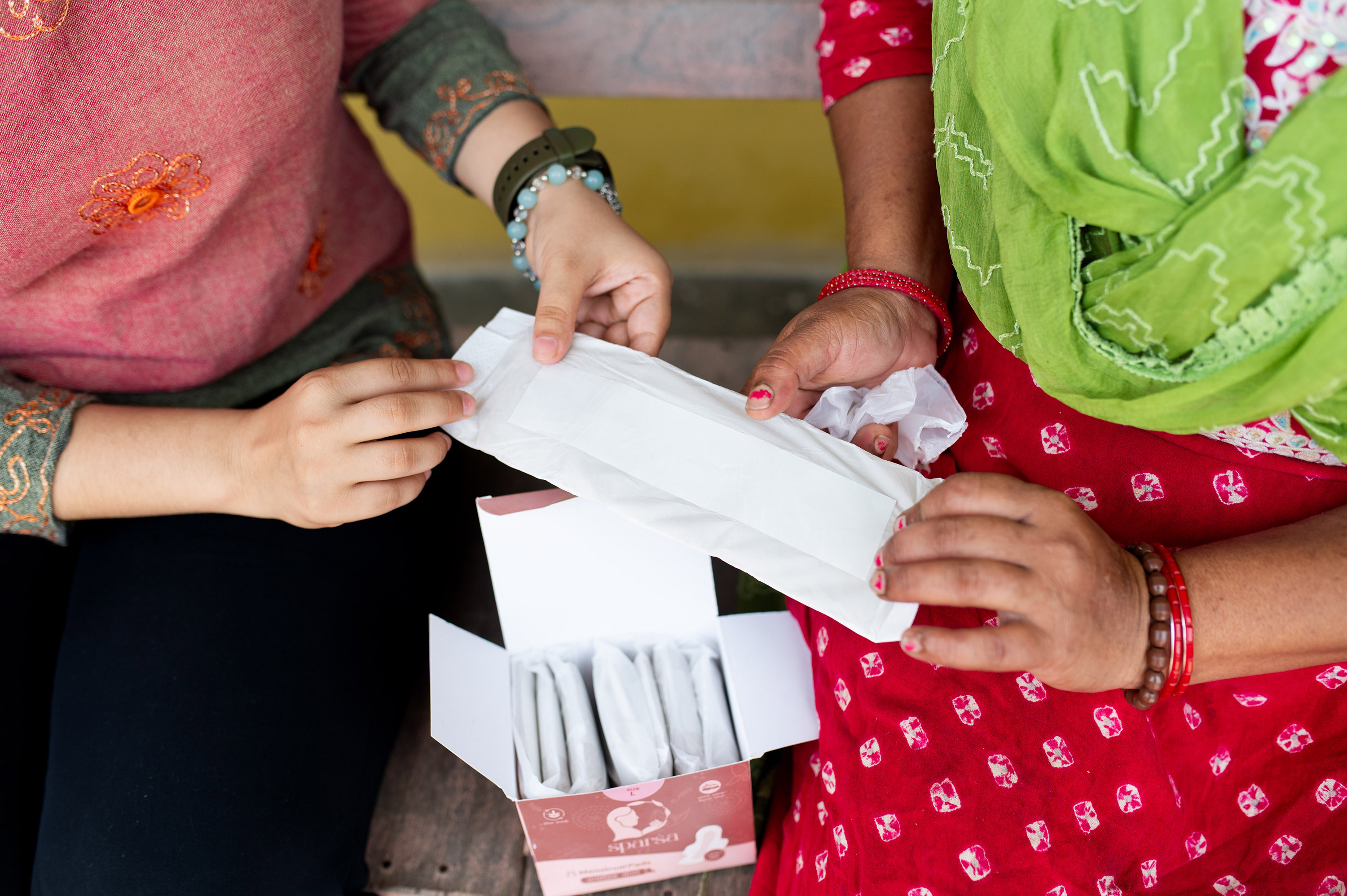
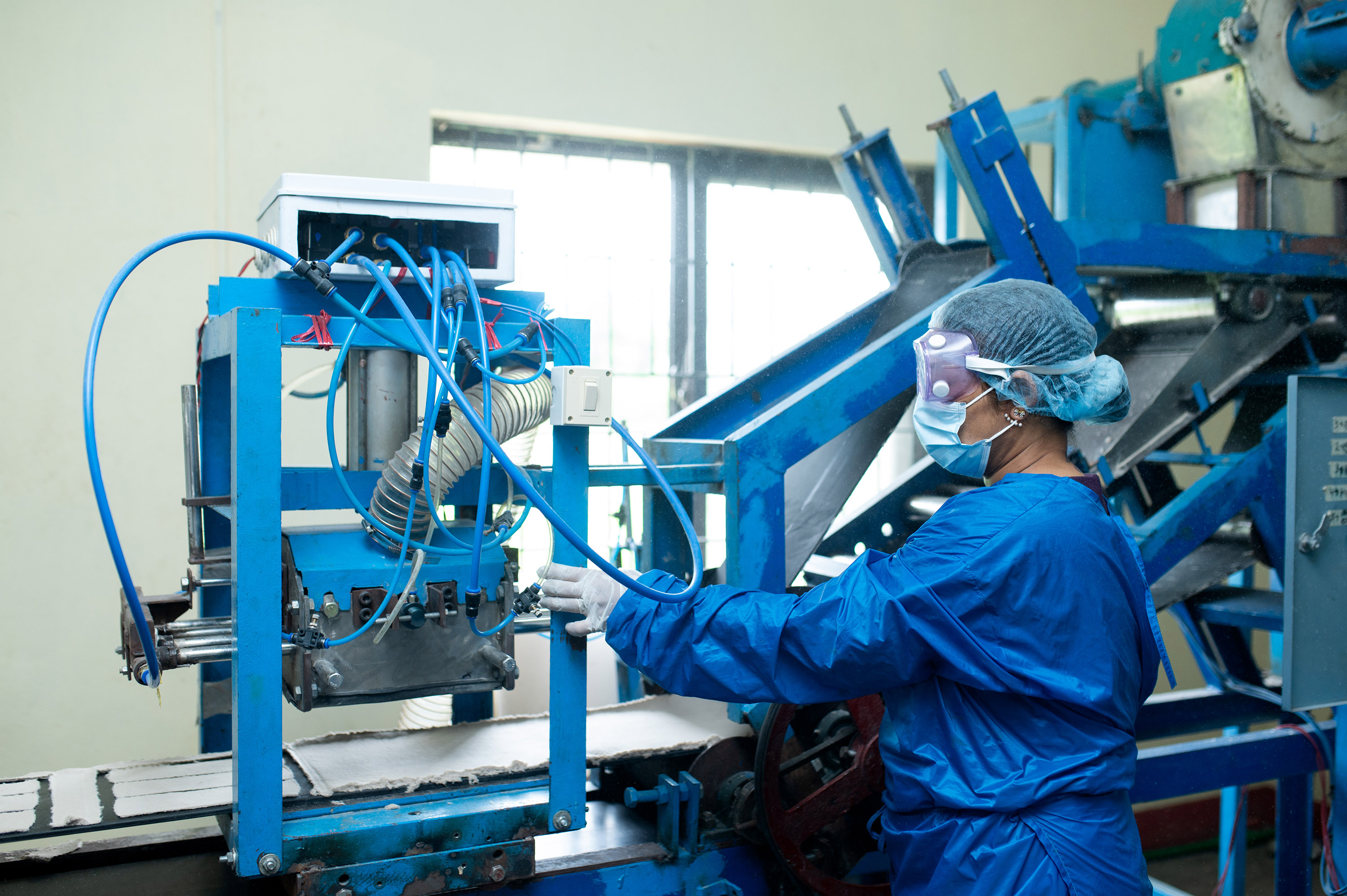
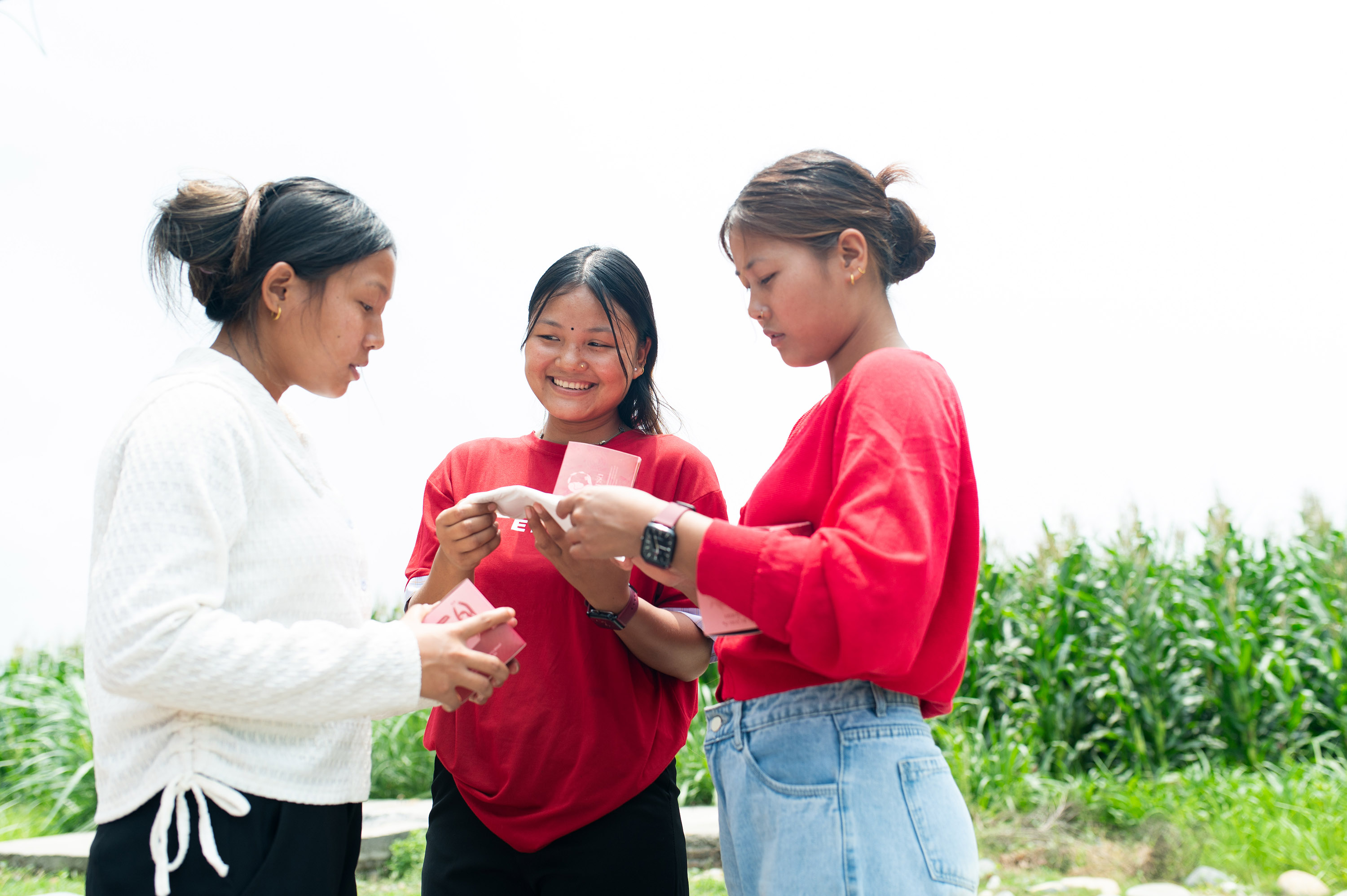
Plant-to-Pad Blueprint is a project run by NIDISI in collaboration with the Kulczyk Foundation and an international network of organizations, social entrepreneurs, and experts in the field of natural fibers. Its goal is to gather and share the knowledge needed to create local social enterprises producing biodegradable pads from locally available natural materials.
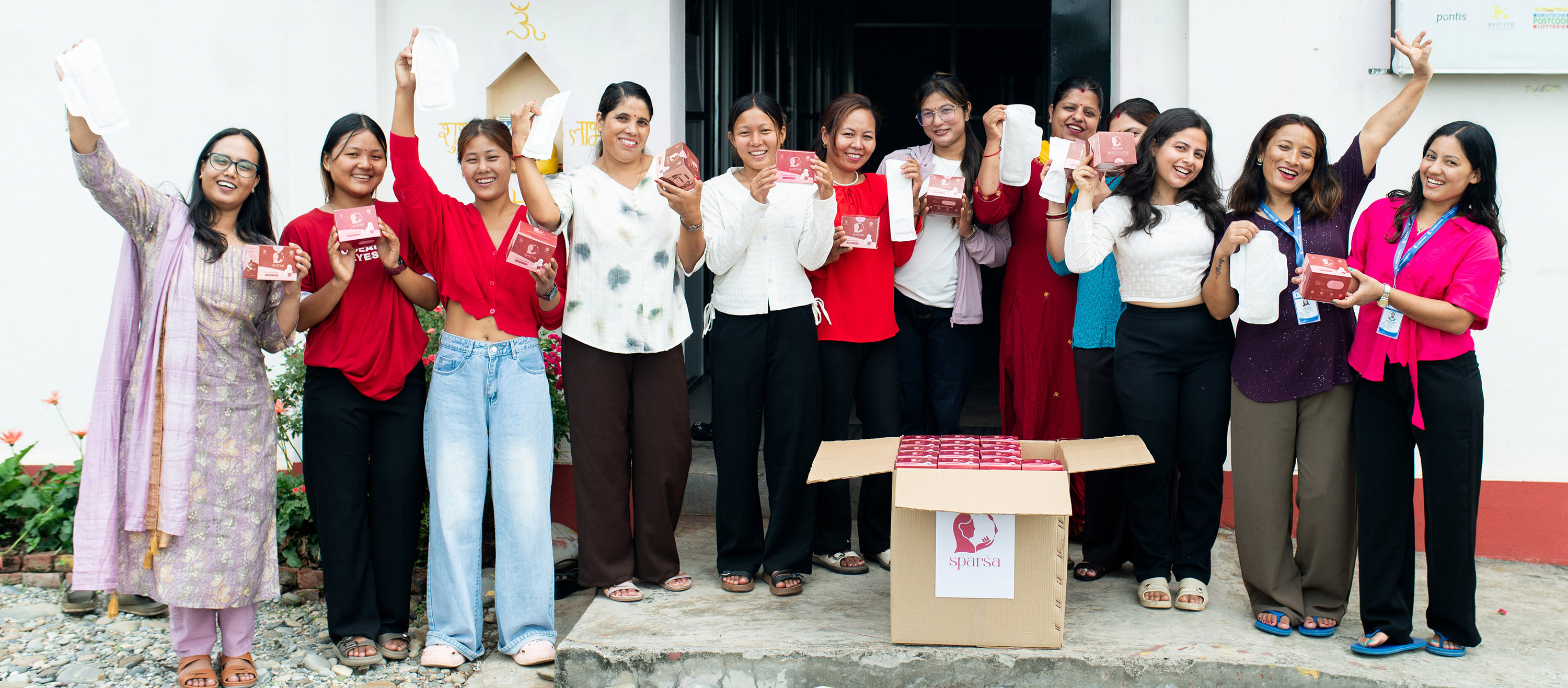
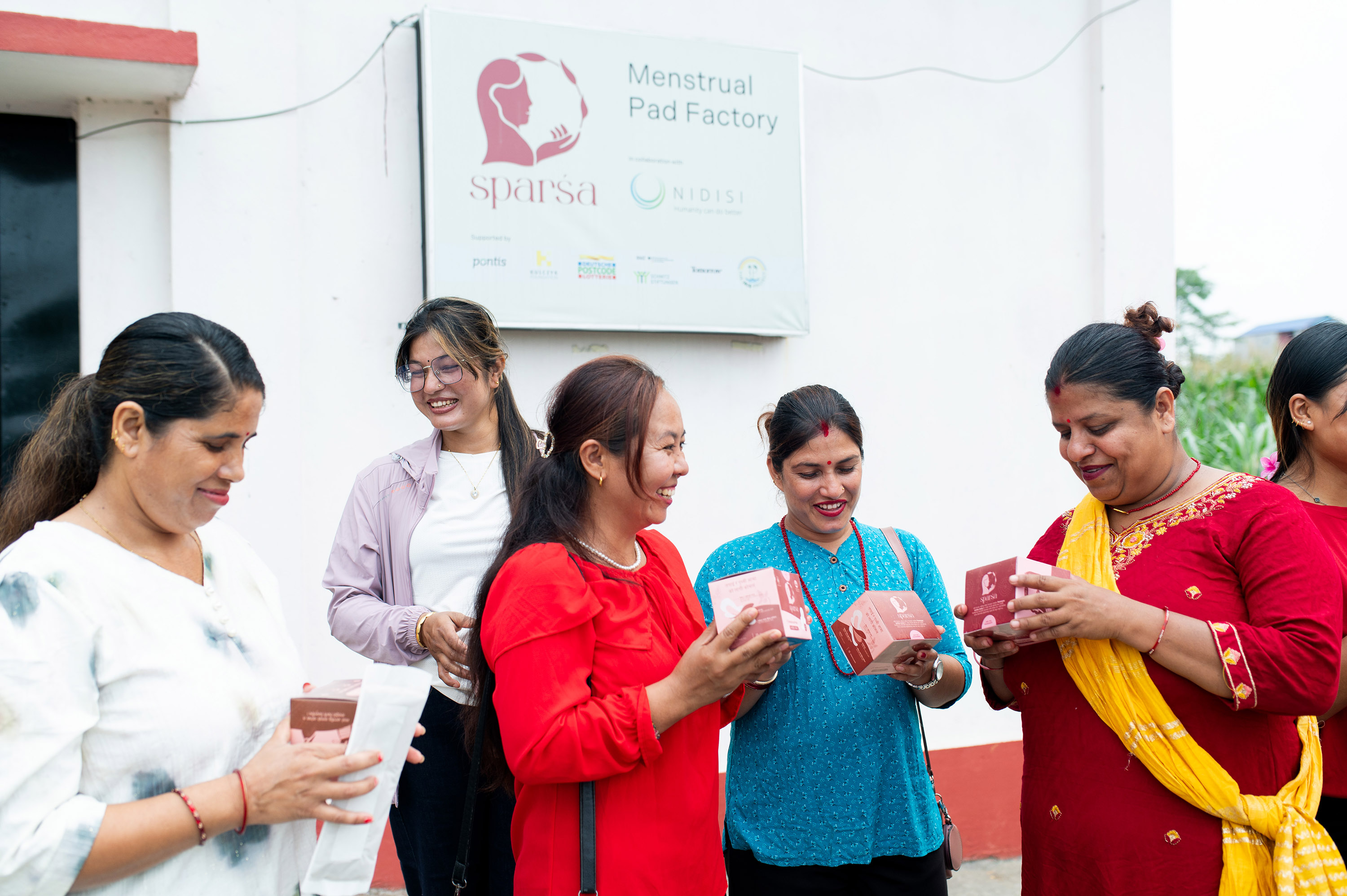
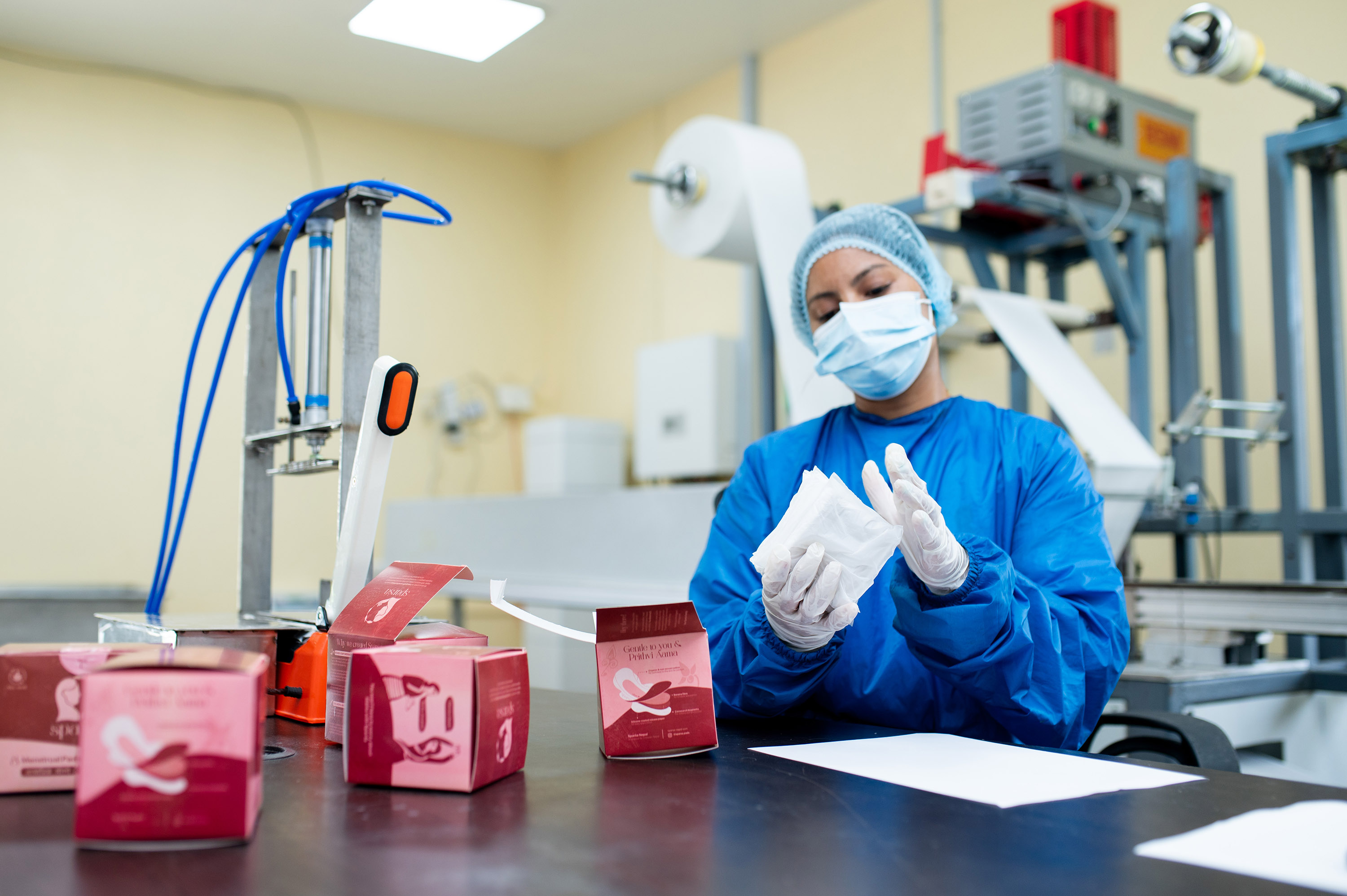
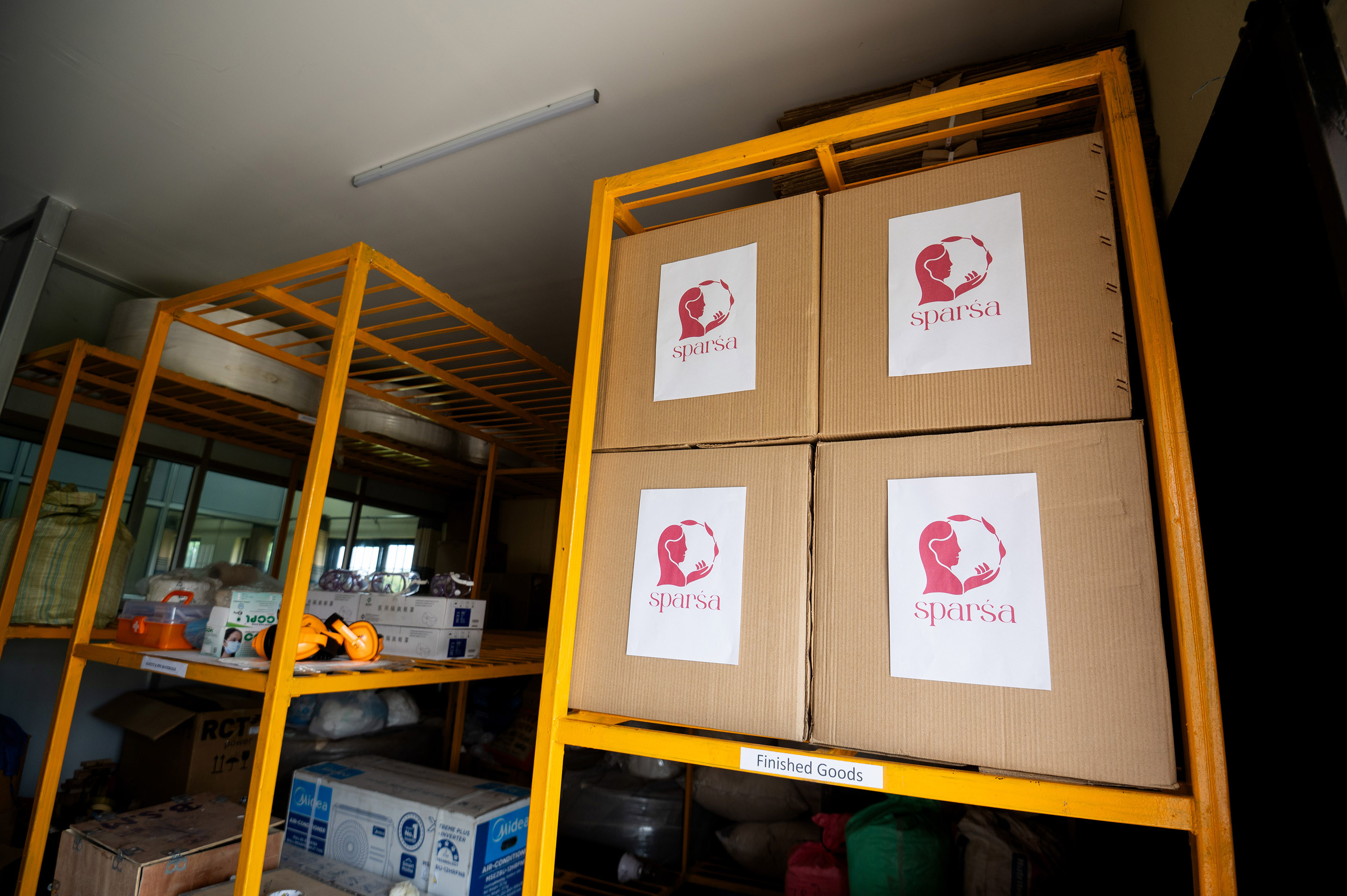
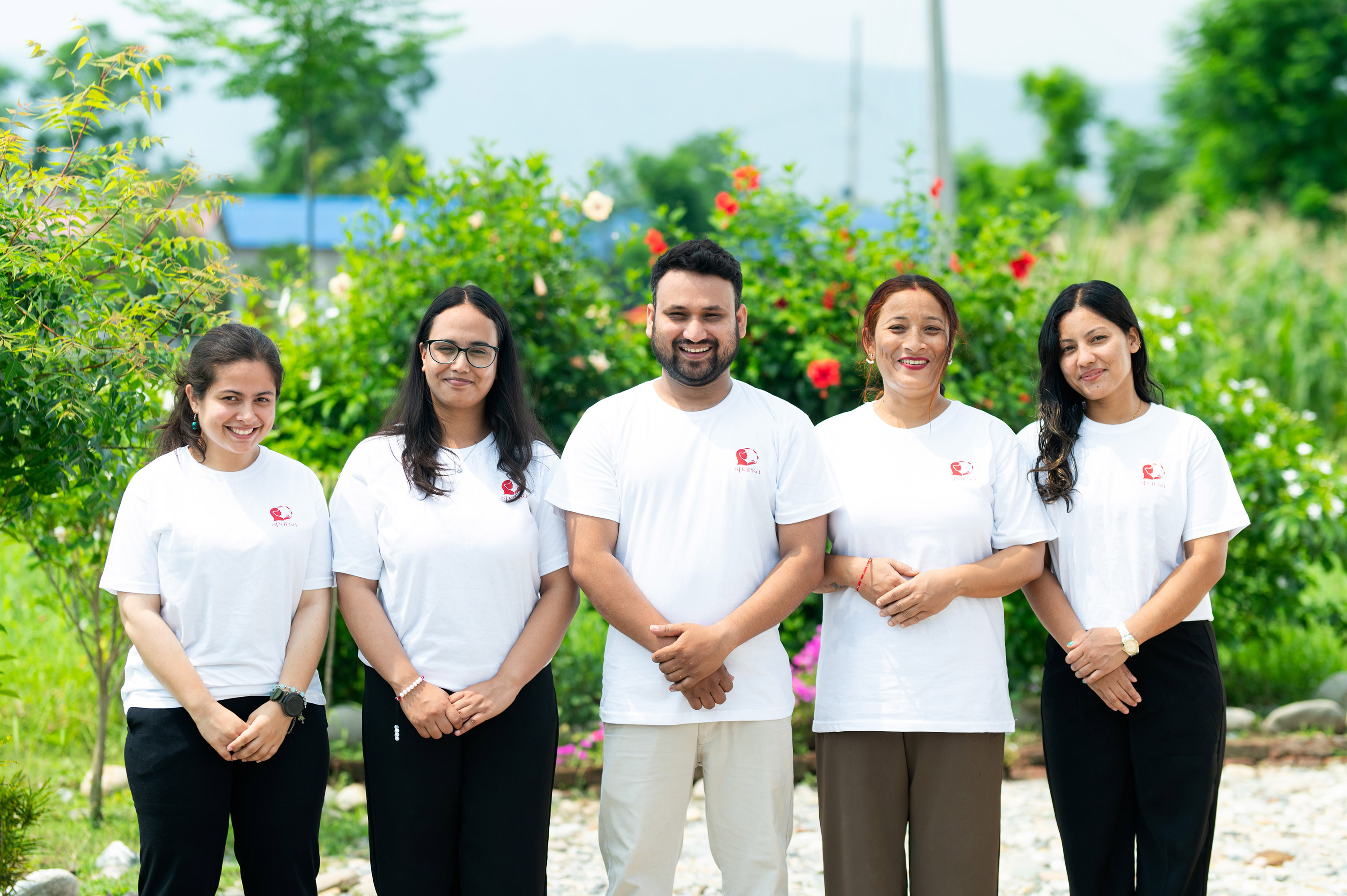
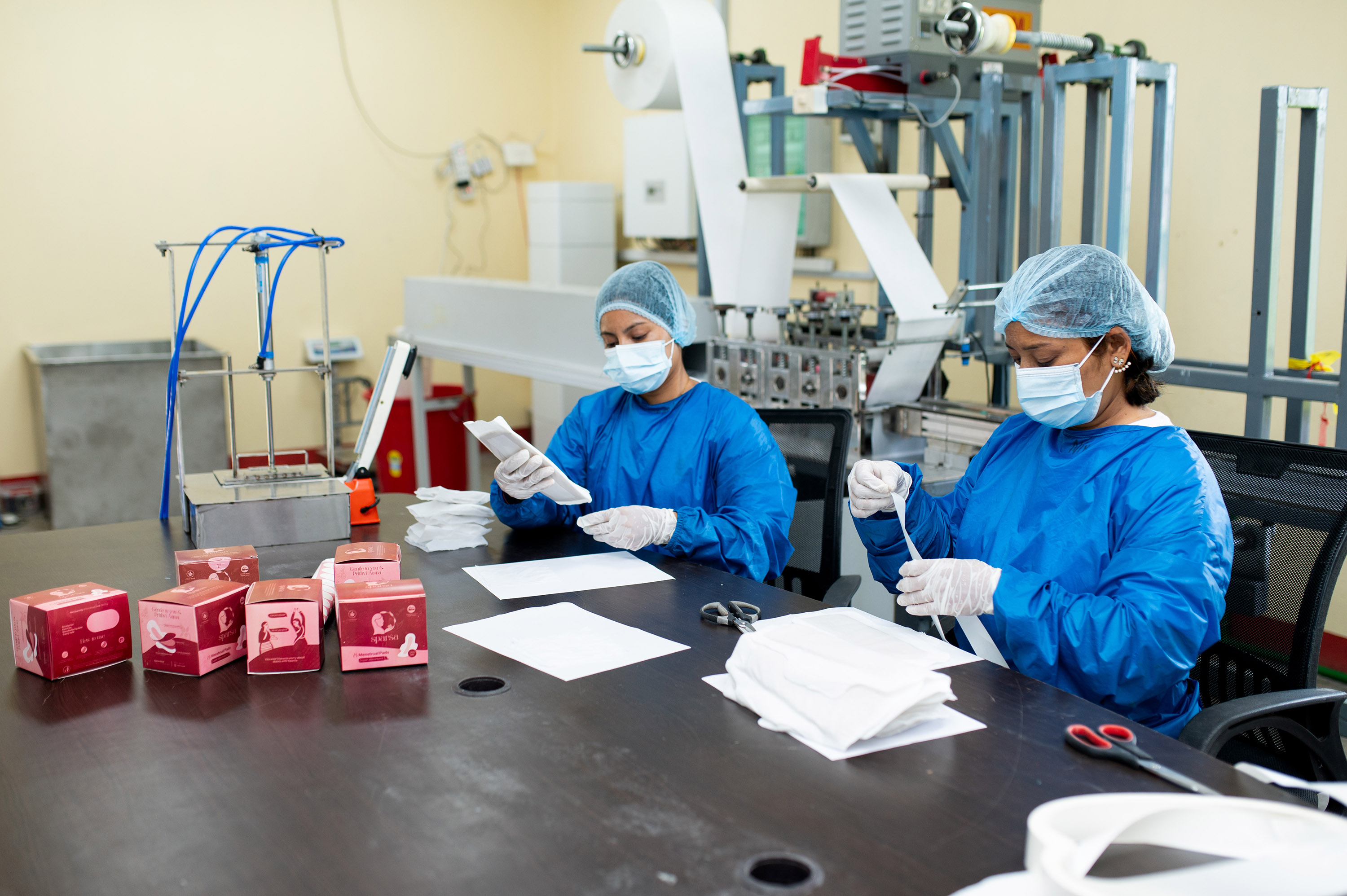
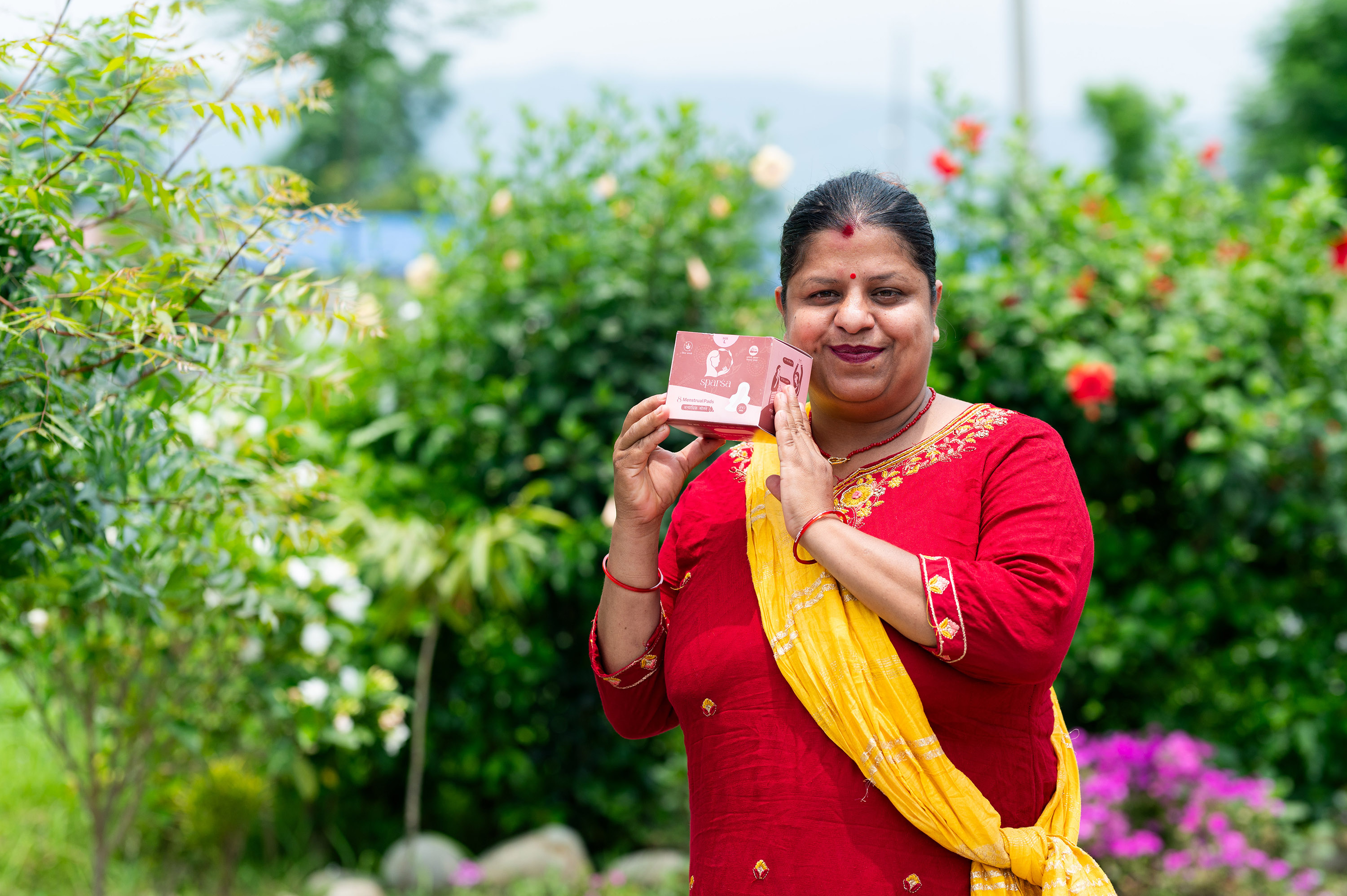
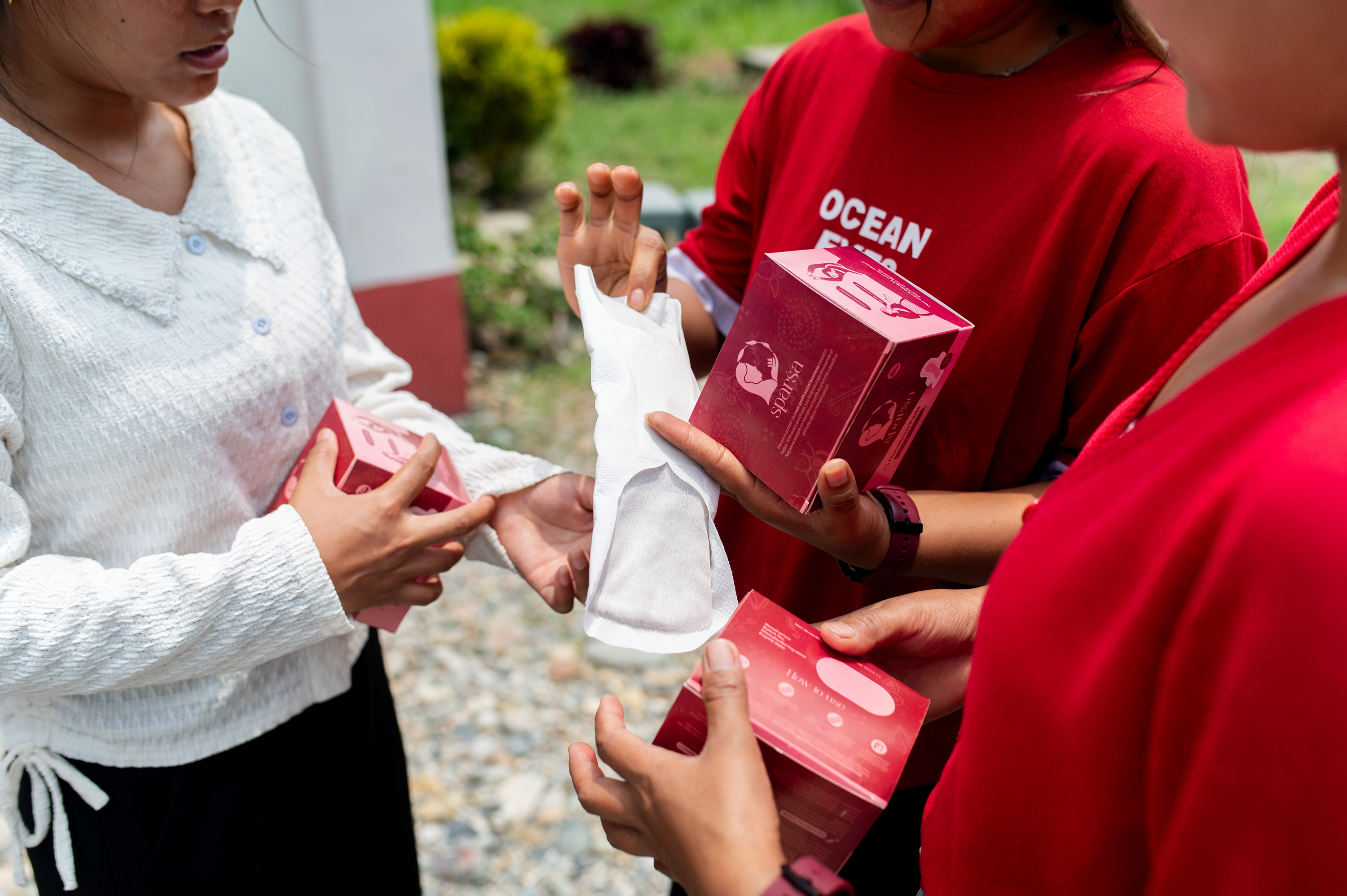
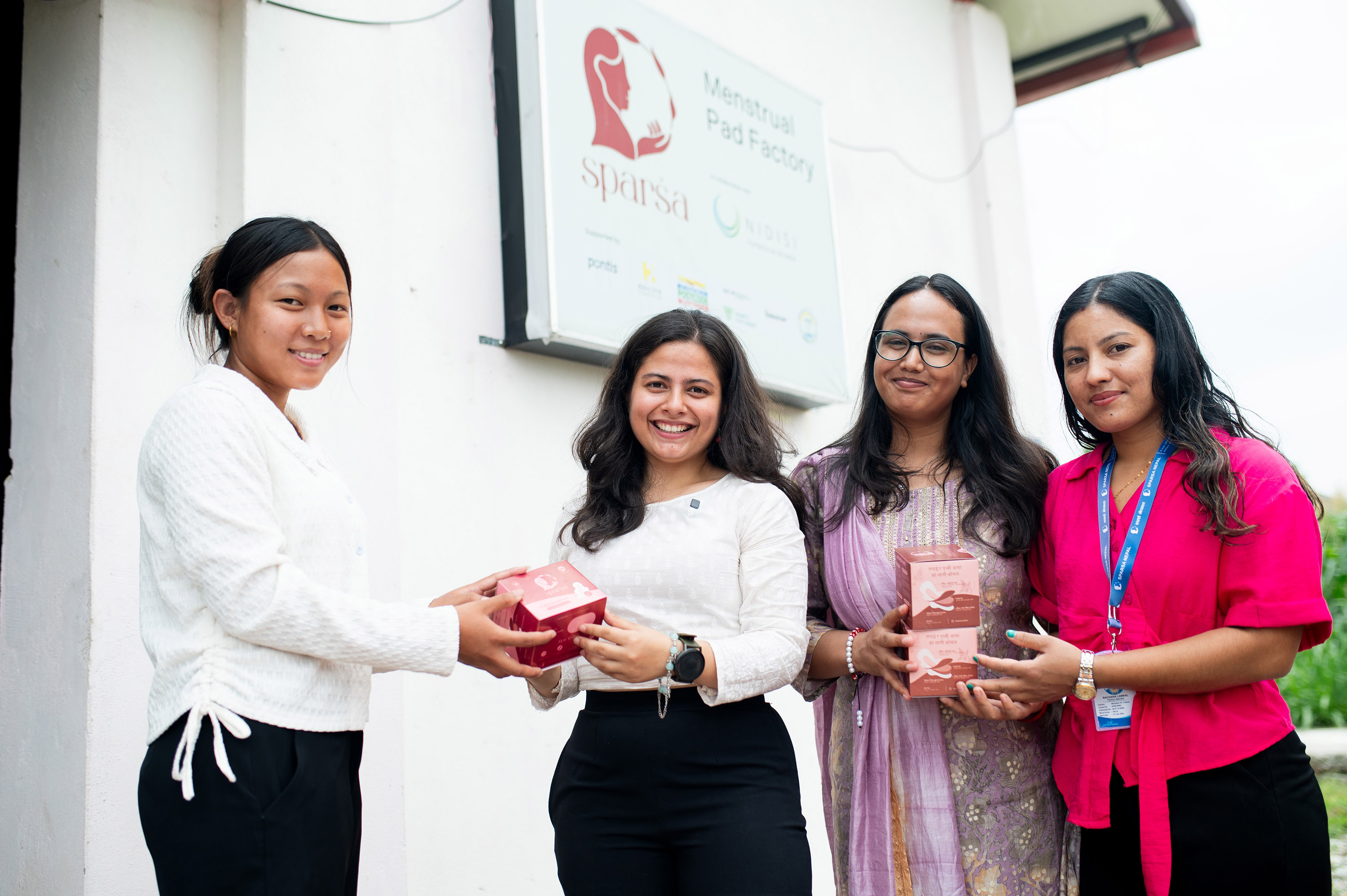
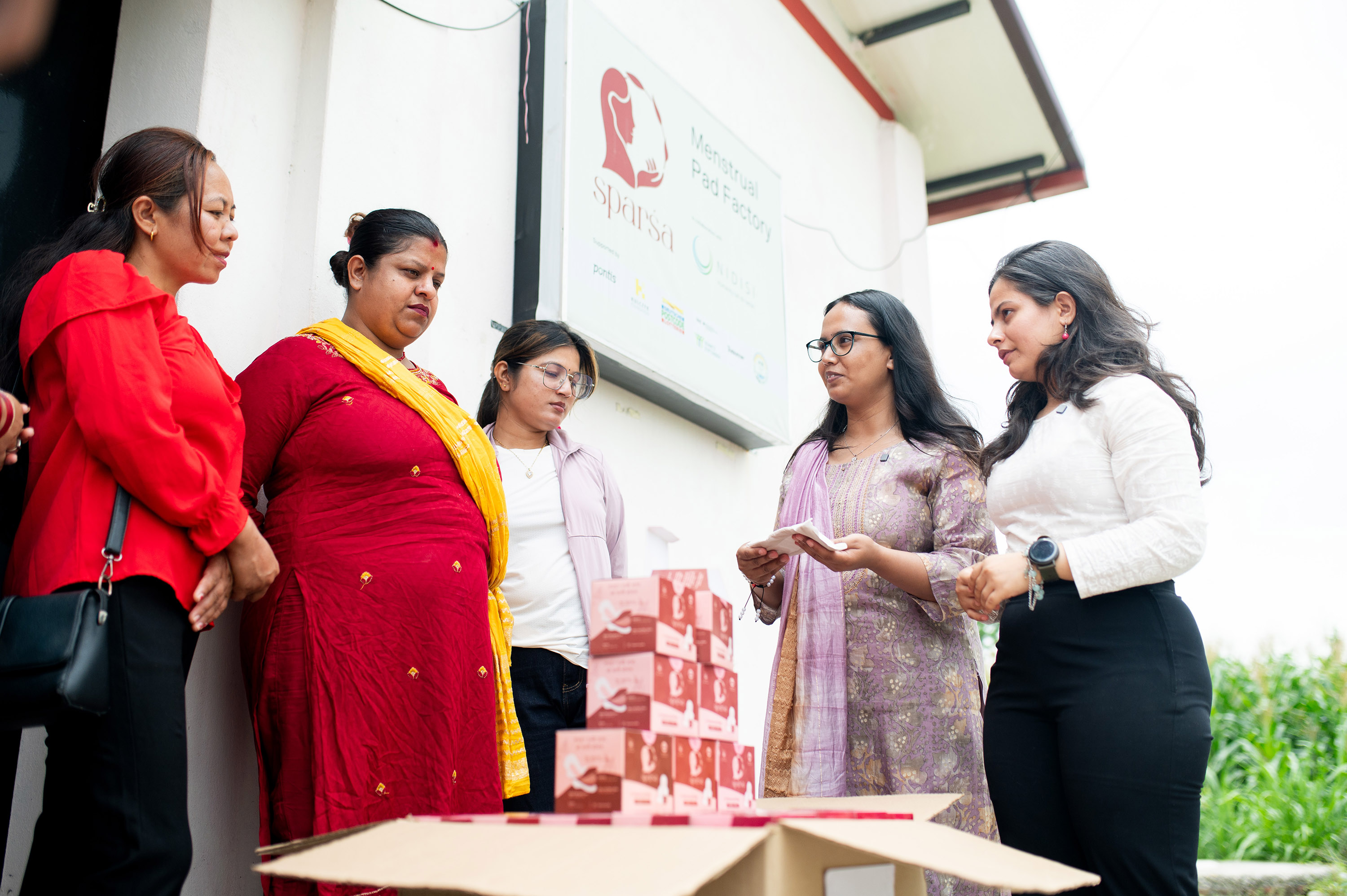
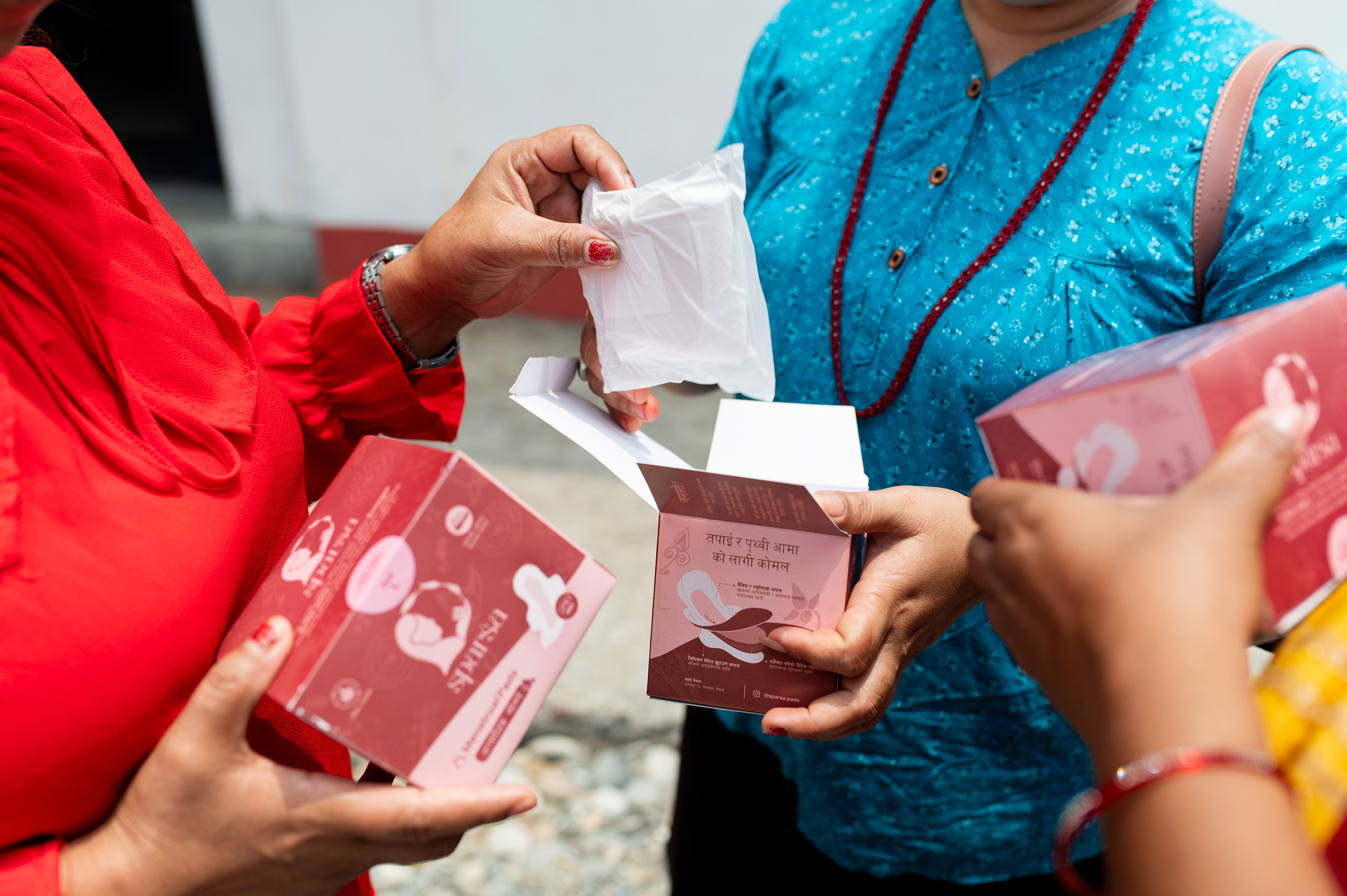
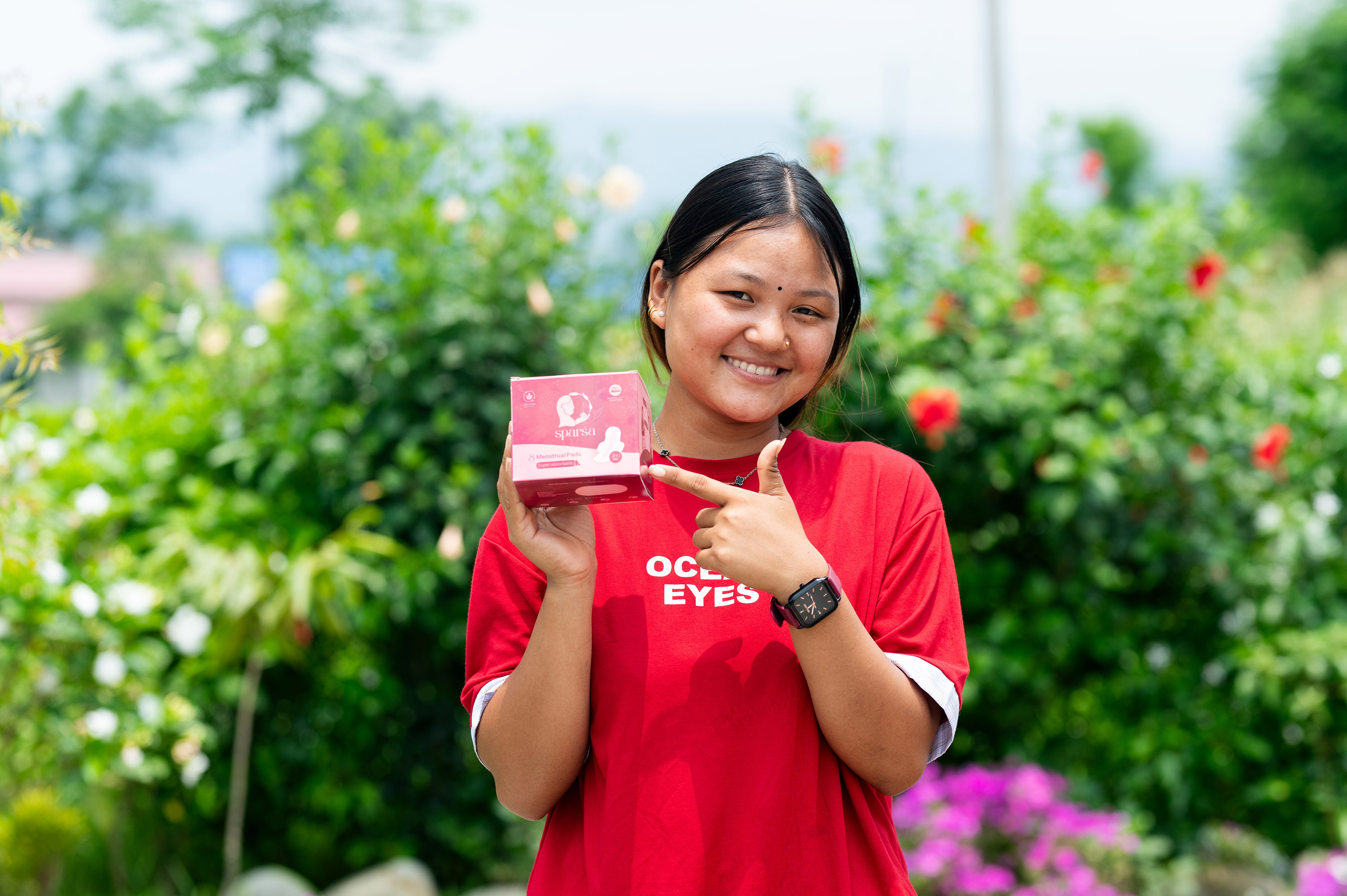
The project was developed based on the experience of the Sparśa Project in Nepal, where biodegradable sanitary pads are made from agricultural waste from banana plantations. The solutions developed within the project can also be used in other countries, after being adapted to local raw materials, production conditions, and community needs.
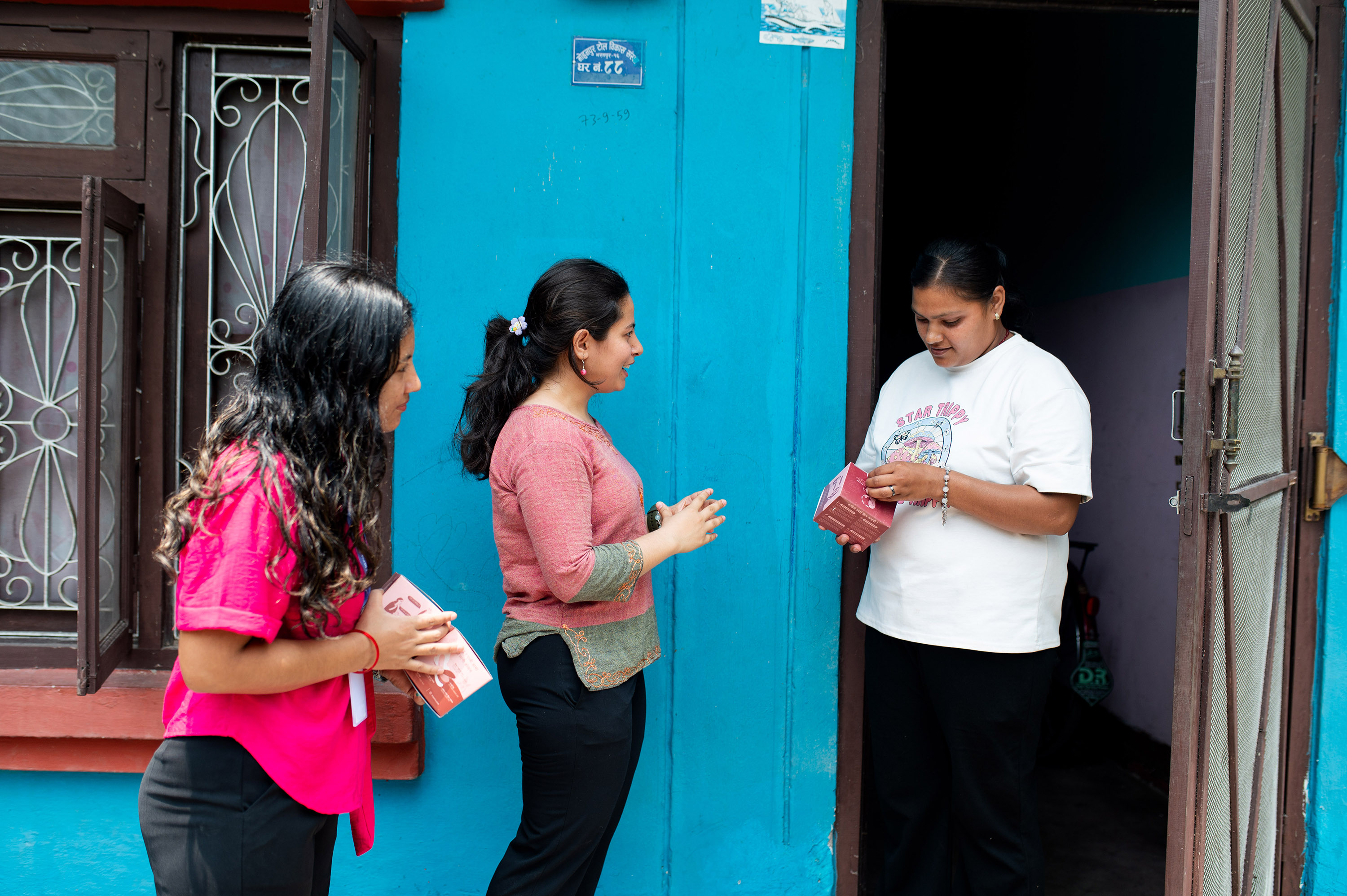
The Plant-to-Pad Blueprint project is an open knowledge base. It encompasses experience not only in production itself but also in organizing a social enterprise, collaborating with local partners, providing menstrual education, and building a network of suppliers and buyers. This allows social organizations and local entrepreneurs to leverage solutions that have already been proven in practice, rather than having to start the process from scratch.
A key part of the project is building an international community of experts and practitioners. Partners from Nepal, Kenya, Europe, and the United States are exchanging knowledge on plant fiber processing, biodegradable material production, and developing local business models, with the goal of adapting the current model to other fiber crops, such as pineapple, sisal, bamboo, and water hyacinth.
The Plant-to-Pad Blueprint addresses two challenges simultaneously: period poverty and the growing waste generated by disposable sanitary products. The development of local production of menstrual products aims to increase the availability of safe and affordable pads, while reducing plastic use, creating jobs, and strengthening the local economy.
In the long term, the project aims to support the creation of additional local social enterprises producing eco-friendly menstrual products. Thanks to open access to knowledge and collaboration between partners, experiences gained in one country can benefit communities in many other parts of the world.
Files:
To access and use the file, please contact us by email at: periodpoverty@kulczykfoundation.org.pl.